In many clinical situations, composite restorations offer advantages over ceramic restorations. The treatment is less costly and usually less invasive, and the restorations can be modified and repaired at any time. When it comes to restoring multiple teeth, however, a free-hand layering approach used to build up every tooth separately can be very time-consuming and labour-intensive. In these situations, the flowable injection technique—also referred to as injection moulding—is a great alternative. It is minimally invasive, suitable as a temporary or permanent solution to issues regarding tooth wear and irregular shape, and time-efficient in the clinical setting.
Essential materials
The planning phase, including the creation of the wax-up, can be accomplished in the traditional way or using a digital workflow, and components may differ depending on the preferred way of working. Regardless, two materials are essential for the implementation of the flowable injection technique: a transparent silicone and a flowable composite. The silicone is used to produce an index and transfer the planned shape of the restorations from the wax-up to the patient’s mouth. The index must be transparent to make sure that the flowable composite will be polymerised properly through it—an important precondition for high-quality results. The flowable composite is injected into the silicone index. Besides offering excellent flow behaviour during injection, the selected material should exhibit high mechanical stability for durability. CLEARFIL MAJESTY ES Flow Low (Kuraray Noritake Dental) offers the desired properties. One possible way to combine the materials and implement the technique will be illustrated using the following patient case.
Important step in a complex treatment
This patient came to the dental office after orthodontic treatment with a request to improve the aesthetics of her smile. In the maxillary and mandibular anterior region (incisors and canines), severe tooth wear was diagnosed, the maxillary central incisors being most severely affected (Figs. 1 & 2). To restore her maxillary teeth as quickly as possible, the least invasive immediate treatment option was selected: a smile makeover with composite using the flowable injection technique. In the long term, it is planned to perform a full-mouth rehabilitation with ceramic restorations.
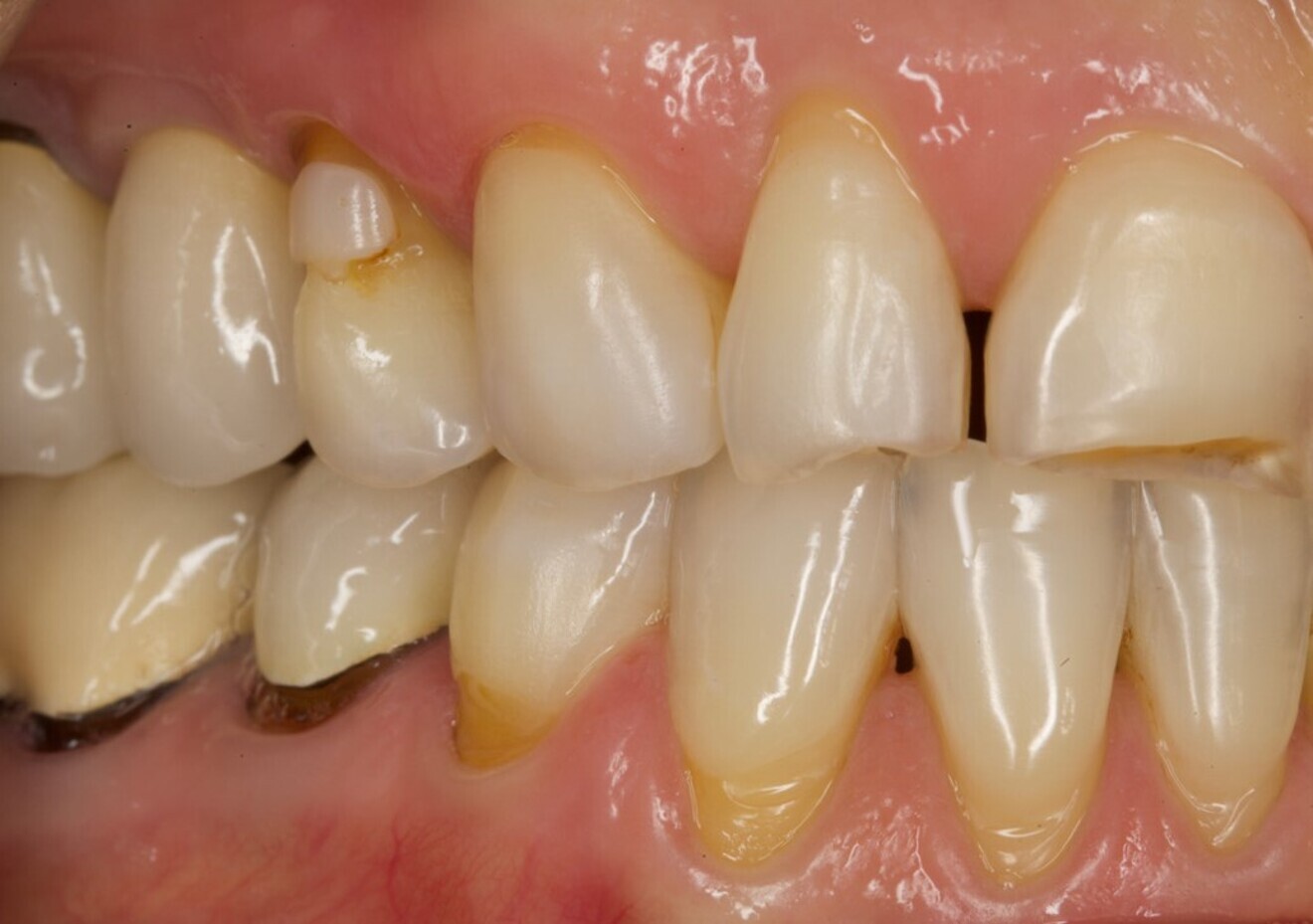
Fig. 1a: Initial situation. Lateral view from the right.
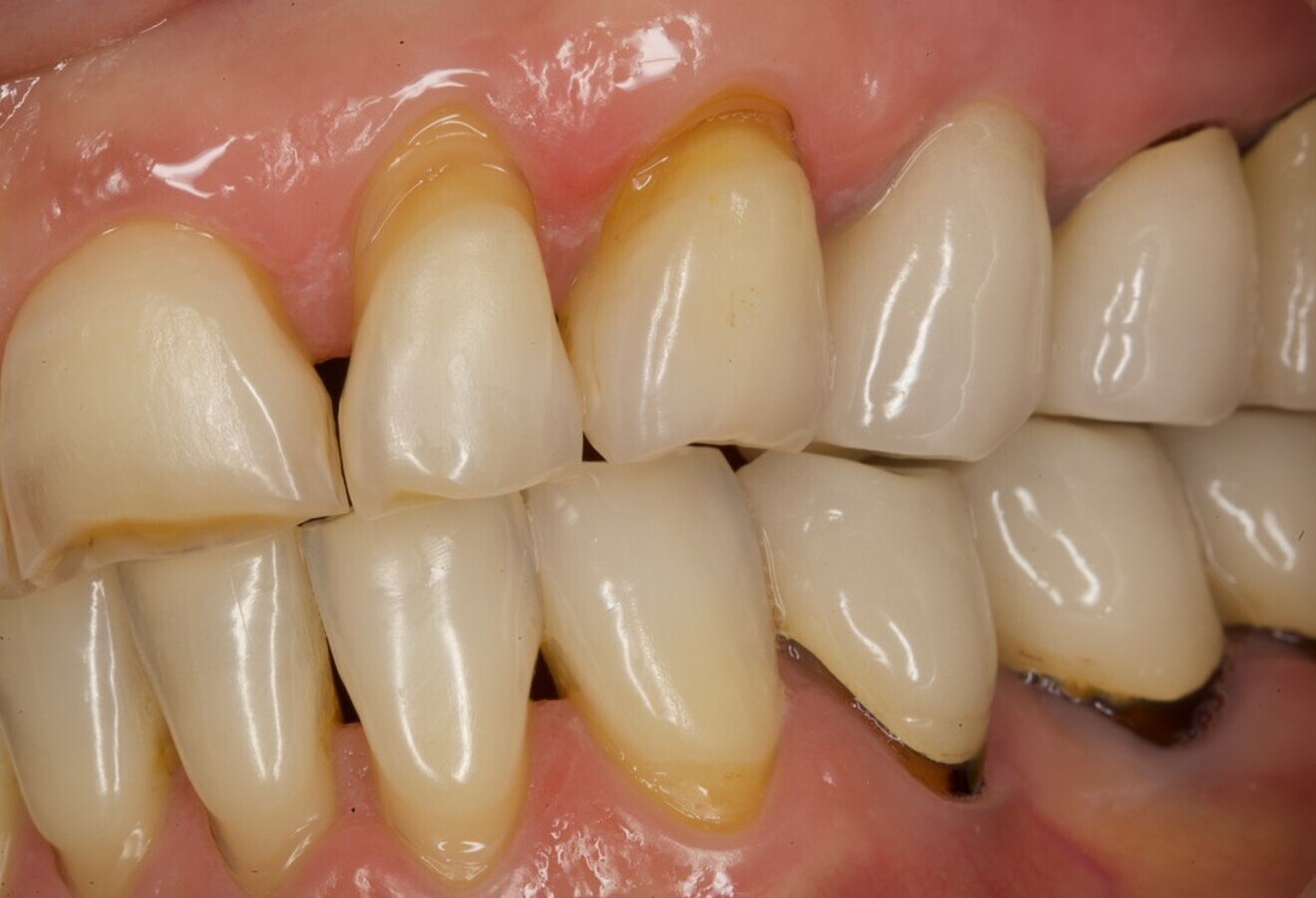
Fig. 1b: Lateral view from the left.
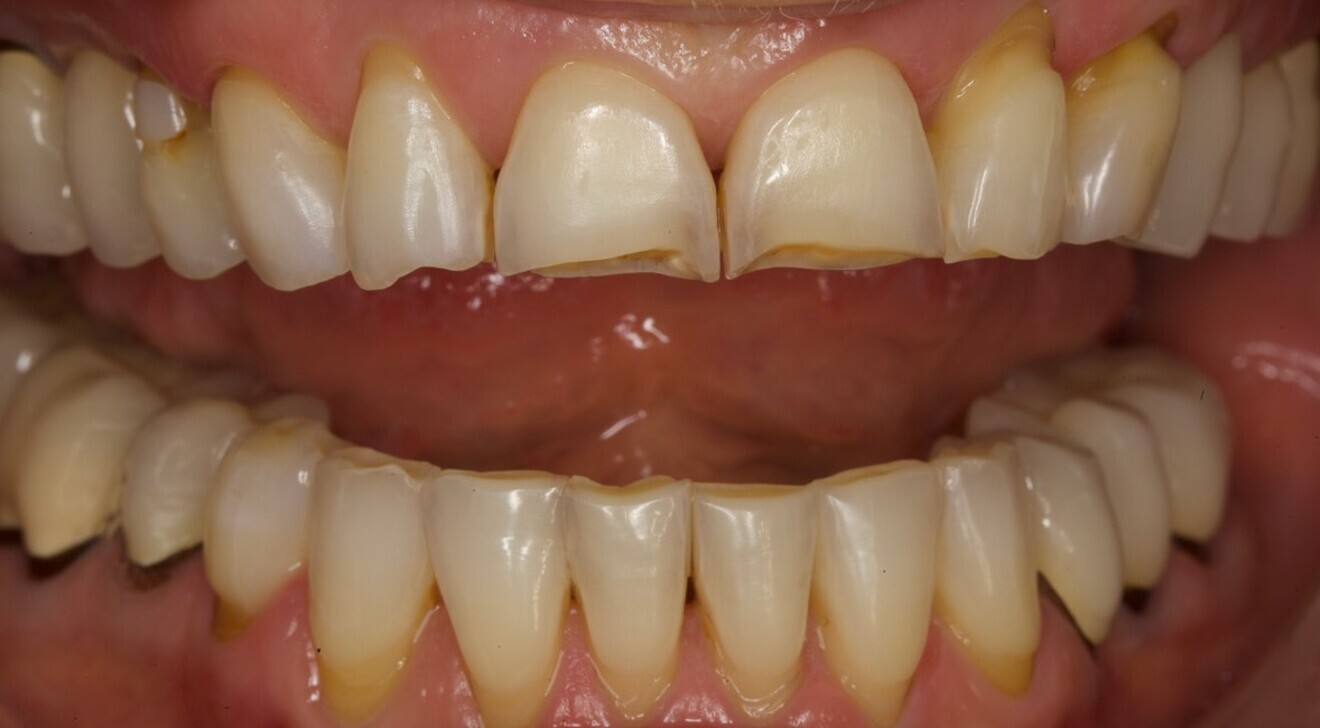
Fig. 1c: Frontal view.
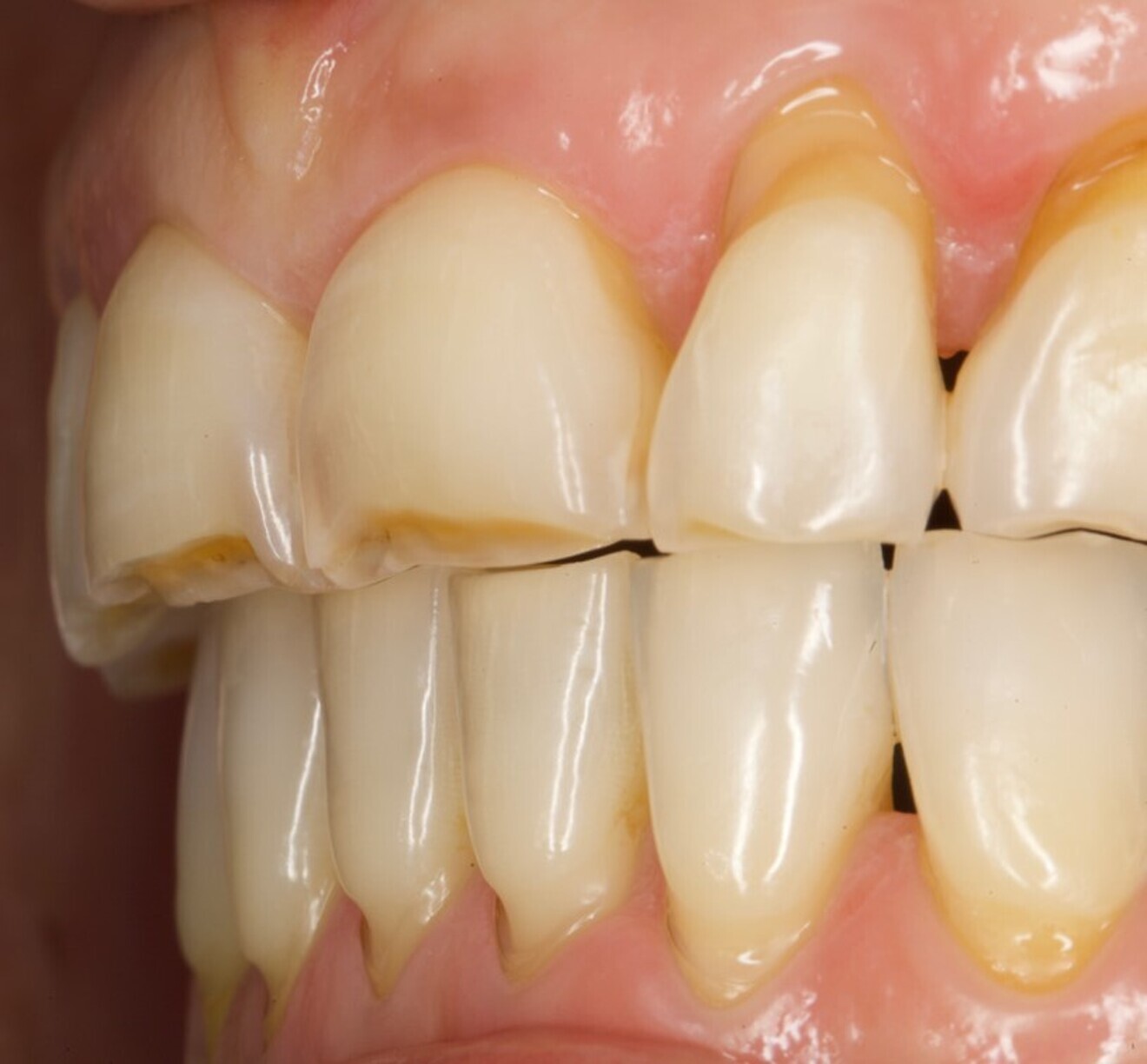
Fig. 2: Close-up of the severely worn central incisors.
Shade determination and index production
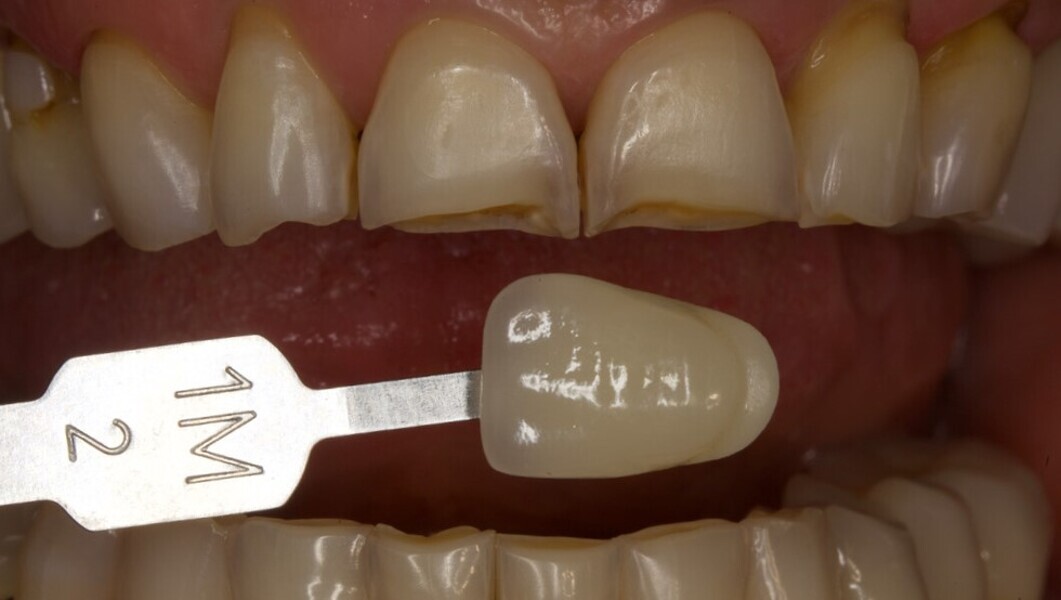
After analysis of the tooth colour using two different methods (Figs. 3 & 4), a digital impression was taken and a wax-up designed with dedicated CAD software. The wax-up model was then printed (Fig. 5). It served as the basis for the production of the transparent silicone index. After complete polymerisation of the index material, injection channels were integrated at the incisal edges of each tooth to be restored (Figs. 6 & 7).