


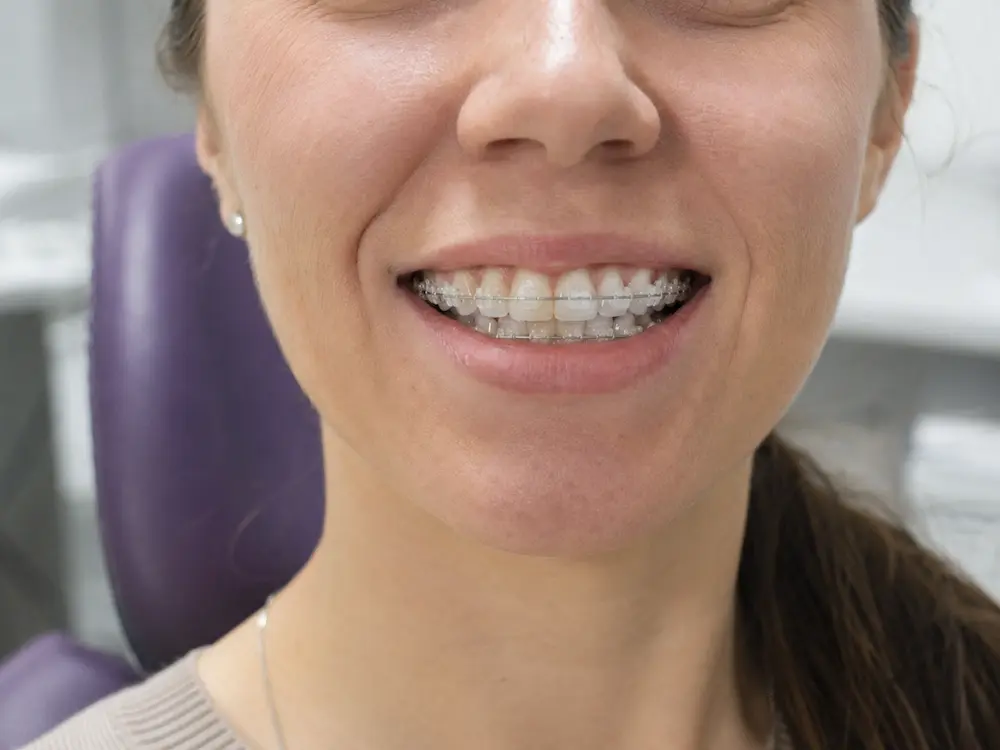
Adult Teeth Straightening: Why Time Matters
Adult teeth straightening is a popular choice today. However, many adults worry less about money and more about time. Work, travel, family, and social life can make long treatment feel stressful.
In general, adult orthodontic treatment takes 12 to 24 months. However, this is only a common range. Some mild cases may finish faster. Meanwhile, complex bite problems may need more than 24 months.
Several factors affect treatment time:
- Tooth crowding
- Bite relationship
- Gum condition
- Bone density
- Appliance type
- Patient cooperation
- Follow-up frequency
- Oral hygiene
Therefore, no dentist should promise the same timeline for every patient. A proper plan must come after examination, imaging, and bite analysis.
Adult orthodontics is a gradual process. Teeth need time to move safely. So, faster is not always better. A stable, healthy result matters more than speed alone.
Why Adult Orthodontic Treatment Takes Time
Orthodontic treatment works by applying gentle force to teeth. Then, the bone around the teeth remodels slowly. This process allows teeth to move into better positions.
However, teeth cannot move instantly. If force becomes too strong, the teeth and surrounding tissues may suffer. Therefore, orthodontists control movement step by step.
Adult treatment can take longer for several reasons:
- Adult jaw growth has finished
- Bone remodeling may be slower
- Old dental work may affect planning
- Gum problems may need treatment first
- Missing teeth may complicate movement
- Severe crowding needs careful control
Moreover, adults often have more complex oral histories. They may have crowns, implants, old fillings, or gum recession. These conditions do not always prevent treatment. Still, they can affect the plan.
Therefore, adult orthodontic treatment is not only about moving teeth. It also involves protecting gum health, bite function, and long-term stability.
How Long Do Braces for Adults Usually Take?
Braces for adults usually take about 18 to 24 months. However, mild alignment cases may take around 12 months. Severe crowding, deep bite, open bite, or crossbite may take longer.
Treatment time may vary by case:
- Mild spacing: about 6 to 12 months
- Mild crowding: about 12 months
- Moderate crowding: about 12 to 18 months
- Bite correction: about 18 to 24 months
- Complex cases: 24 months or more
However, these are general estimates. A dentist must check the teeth, jaw, bite, and gums before giving a realistic timeline.
Traditional braces can handle many complex cases. They also give strong control over tooth movement. Therefore, dentists may recommend them for patients with difficult bite problems.
Still, braces need good care. If brackets break often, treatment may slow down. If oral hygiene is poor, treatment may pause for gum care.
Clear Aligners for Adults
Clear aligners for adults are another common option. They use removable transparent trays to move teeth gradually. Many adults like them because they look discreet.
Clear aligners may work well for:
- Mild crowding
- Mild spacing
- Minor bite correction
- Relapse after past braces
- Patients who want removable appliances
However, clear aligners depend heavily on patient cooperation. Patients usually need to wear them 20 to 22 hours per day. If they forget, treatment may take longer.
Clear aligners can offer benefits:
- Better appearance during treatment
- Easier brushing and flossing
- Fewer food restrictions
- More comfort for some patients
- Flexible lifestyle fit
However, they are not suitable for every case. Some severe bite problems may need braces, attachments, elastics, or combined treatment.
Therefore, the best appliance is not always the most popular one. The best choice depends on diagnosis and treatment goals.
Is Childhood the Best Time for Orthodontics?
Childhood and adolescence can be good times for orthodontic care. This is because the jaw is still growing. In some cases, dentists can guide jaw development early.
However, this does not mean adults missed their chance. Adults can still move teeth. The body can remodel bone throughout life.
Adult orthodontics may help improve:
- Tooth alignment
- Bite function
- Smile appearance
- Cleaning access
- Gum health support
- Chewing balance
- Long-term tooth protection
Moreover, many adults start treatment after years of hesitation. Some had no chance as children. Others notice crowding later in life.
Therefore, adults should not think orthodontics is only for teenagers. Age alone is not the main limit. Gum health, bone support, and treatment planning matter more.
If the teeth and gums are healthy enough, adults can often receive orthodontic treatment successfully.
##Does Adult Orthodontic Treatment Cause Side Effects?
Adult orthodontic treatment is generally safe when planned and monitored correctly. However, like any dental treatment, it has possible risks.
Possible risks include:
- Temporary tooth soreness
- Gum irritation
- Root shortening in rare cases
- White spots from poor hygiene
- Gum inflammation
- Appliance discomfort
- Treatment relapse without retainers
Therefore, adults should choose a qualified orthodontic provider. A full examination should come before treatment. Gum disease and cavities should be treated first.
The original article says orthodontics does not cause side effects. A more accurate statement is this: orthodontics usually does not cause harmful effects when performed properly and maintained well.
Patient habits matter. Poor brushing can cause plaque buildup. Missed visits can delay adjustments. Ignoring gum disease can increase risk.
Therefore, safe treatment depends on both dentist planning and patient cooperation.
Will Braces Make Teeth Loose?
Many adults worry that braces will make teeth loose. This fear is common. However, normal orthodontic tooth mobility is temporary.
During treatment, teeth move through bone remodeling. Because of this, teeth may feel slightly mobile. This is usually part of the process. After treatment, the bone stabilizes again.
However, true tooth looseness often comes from gum disease. Periodontitis can damage the bone that supports teeth. If this disease remains untreated, teeth may become loose over time.
Orthodontic treatment may even help oral hygiene in some cases. Straighter teeth can become easier to clean. As a result, plaque and tartar may build up less easily.
Still, adults with gum disease need special care. They may need periodontal treatment before orthodontics. They may also need closer follow-up during treatment.
Therefore, braces do not usually cause permanent looseness. Gum health is the key factor.
Why Gum Health Comes First
Gum health is especially important for adult teeth straightening. Adults have a higher chance of gum recession, tartar buildup, or periodontal disease.
Before treatment, the dentist should check:
- Gum bleeding
- Pocket depth
- Bone level
- Tooth mobility
- Tartar buildup
- Gum recession
- Oral hygiene habits
If gum disease exists, treatment should begin before orthodontics. This may include deep cleaning, periodontal care, and hygiene guidance.
During orthodontic treatment, plaque can collect around brackets or attachments. Therefore, patients need careful daily cleaning.
Healthy gums support stable movement. Unhealthy gums can make treatment risky. So, adults should not skip periodontal evaluation.
Moreover, dental cleaning can continue during orthodontic treatment. In fact, many adults need professional cleaning more often while wearing braces or aligners.
What Affects Adult Teeth Straightening Time?
Many details affect adult teeth straightening time. Some are related to the teeth. Others depend on habits and treatment compliance.
Key factors include:
- Severity of crowding
- Bite correction needs
- Missing teeth
- Jaw relationship
- Previous dental treatment
- Gum health
- Bone support
- Appliance type
- Wearing time for aligners
- Missed appointments
- Broken brackets
For example, a patient with mild spacing may finish quickly. However, a patient with severe crowding and bite problems may need more time.
Also, adults who follow instructions often progress better. Wearing elastics, cleaning well, and attending visits all matter.
Therefore, patients can influence the timeline. They cannot control every factor. Still, they can avoid many delays.
A good orthodontist will explain the estimated timeline and update it during treatment.
Can Adult Orthodontics Be Faster?
Some adults ask for the fastest option. However, safe movement has biological limits. Teeth need time to move without harming roots, gums, or bone.
Still, treatment may become more efficient when:
- The diagnosis is accurate
- The plan is realistic
- The appliance fits the case
- The patient attends visits
- Aligners are worn correctly
- Brackets stay intact
- Oral hygiene stays good
In mild cases, clear aligners or limited orthodontics may shorten treatment. However, limited treatment only corrects selected issues. It may not fix the full bite.
Therefore, patients should be careful with “quick smile” promises. Fast cosmetic alignment may not solve functional problems.
A balanced plan is better. It should improve appearance while protecting oral health.
In short, treatment can be efficient. However, it should not be rushed beyond safe limits.
What to Do Before Starting Treatment
Before starting adult orthodontic treatment, patients need a detailed dental evaluation. This helps reduce risk and create a better plan.
Important steps include:
- Oral examination
- X-rays or CBCT when needed
- Gum health evaluation
- Cavity check
- Bite analysis
- Smile analysis
- Medical history review
- Discussion of goals
- Treatment option comparison
The dentist may also check old fillings, crowns, implants, or missing teeth. These can affect movement.
Patients should ask useful questions:
- How long will treatment take?
- Which appliance suits my case?
- Do I need extractions?
- Do I have gum problems?
- How often are visits needed?
- What happens after treatment?
Clear communication helps adults plan time, budget, travel, and work schedules.
Daily Care with Braces
Braces can work well, but they need careful cleaning. Food and plaque can collect around brackets and wires. Therefore, brushing must become more detailed.
Useful care tips include:
- Brush after meals
- Use fluoride toothpaste
- Clean around each bracket
- Use interdental brushes
- Floss daily with special tools
- Rinse after snacks
- Avoid sugary drinks
- Schedule professional cleaning
Moreover, patients should avoid hard and sticky foods. These foods can damage brackets or wires.
Foods to avoid include:
- Hard nuts
- Sticky candy
- Chewing gum
- Ice cubes
- Hard crusts
- Very chewy foods
If a bracket becomes loose, contact the clinic. Do not wait until the next visit. A broken appliance can slow progress.
Daily Care with Clear Aligners
Clear aligners are removable. Therefore, cleaning is often easier. However, patients must build good habits.
Patients should:
- Wear aligners as instructed
- Remove them before eating
- Brush before putting them back
- Clean aligners daily
- Store them in a case
- Avoid hot water
- Avoid sugary drinks with aligners
- Change trays on schedule
Moreover, aligners only work when worn enough. Short wearing time can delay movement. It can also make the next tray feel too tight.
Patients should avoid leaving aligners in napkins. Many people accidentally throw them away. A case helps prevent loss.
Clear aligners can fit adult life well. However, success depends on discipline. Therefore, patients should choose aligners only if they can follow the routine.
Follow-Up Visits Matter
Regular follow-up visits keep orthodontic treatment moving. The dentist checks tooth movement, appliance fit, gum health, and bite changes.
Visit frequency depends on the appliance. Braces may need adjustments every few weeks. Clear aligners may need monitoring at planned intervals.
Follow-up visits help with:
- Checking progress
- Adjusting force
- Changing wires
- Reviewing aligner fit
- Managing discomfort
- Repairing appliances
- Preventing delays
- Updating the plan
If patients miss visits often, treatment may take longer. In some cases, teeth may stop moving as planned.
Therefore, adults should plan appointments ahead. Work schedules can be busy. Still, consistent visits protect the timeline.
Good communication also matters. If pain, damage, or poor fit occurs, contact the clinic early.
Eating During Orthodontic Treatment
Diet affects comfort and appliance safety. During the first few days after adjustment, teeth may feel sore. Therefore, soft foods can help.
Good choices include:
- Soup
- Yogurt
- Eggs
- Soft rice
- Pasta
- Smoothies
- Steamed vegetables
- Soft fish
- Mashed potatoes
Patients with braces should avoid biting large hard foods directly. Instead, cut food into smaller pieces. This reduces stress on brackets.
With clear aligners, patients remove trays before eating. Therefore, food restrictions are fewer. However, patients should brush before wearing aligners again.
Moreover, sugary snacks should stay limited. Orthodontic appliances can increase plaque retention. So, sugar control helps prevent cavities.
A smart diet makes treatment smoother. It also protects enamel and gums.
Retention After Adult Teeth Straightening
Treatment does not end when braces or aligners come off. Retention begins next. Retainers help keep teeth in their new positions.
Without retainers, teeth may shift. This can happen at any age. Adult teeth especially need stable retention because bone and soft tissues need time to adapt.
Common retainers include:
- Clear removable retainers
- Hawley retainers
- Fixed bonded retainers
The dentist will explain wearing time. Some patients wear retainers full-time at first. Later, they may wear them at night.
Retention is not optional. It protects the time and money spent on treatment.
Therefore, adult orthodontic success has two parts. The first is tooth movement. The second is long-term stability.
Common Myths About Adult Braces
Many adults delay treatment because of myths. Therefore, it helps to clear them up.
Myth 1: “Adults are too old for braces.”
Truth: Adults can move teeth if oral health allows it.
Myth 2: “Braces always take many years.”
Truth: Many cases finish in 12 to 24 months.
Myth 3: “Orthodontics makes teeth loose forever.”
Truth: gum disease is a major cause of permanent looseness.
Myth 4: “Clear aligners work for every case.”
Truth: some cases need braces or combined treatment.
Myth 5: “After braces, teeth stay straight forever.”
Truth: retainers are needed to prevent relapse.
These myths create fear. However, a consultation can give real answers based on the patient’s mouth.
When to Consider Treatment
Adults may consider orthodontic treatment for many reasons. Appearance is one reason. However, function and hygiene also matter.
Consider a consultation if you have:
- Crowded teeth
- Spacing
- Deep bite
- Open bite
- Crossbite
- Protruding teeth
- Food trapping
- Difficulty cleaning
- Jaw discomfort
- Past orthodontic relapse
Moreover, adults planning veneers, implants, or crowns may need orthodontics first. Better tooth position can improve final restoration results.
Orthodontics can also support long-term oral health. Straighter teeth often become easier to clean. A better bite may reduce uneven wear.
Therefore, orthodontics is not only cosmetic. It can be part of a complete dental health plan.
FAQ
How long does adult teeth straightening take?
Adult teeth straightening usually takes 12 to 24 months. Mild cases may finish in about one year. Complex cases may take more than two years.
Are braces effective for adults?
Yes. Braces can work well for adults. Teeth can move throughout life, as long as gum health and bone support are suitable.
Are clear aligners faster than braces?
Not always. Clear aligners may be faster for mild cases. However, braces may work better for complex bite problems.
Can adults get braces with gum disease?
Some adults can get braces after gum disease is controlled. However, active periodontal disease must be treated first.
Do braces make teeth loose?
Braces may cause temporary mobility during treatment. However, they do not usually cause permanent looseness when treatment is planned correctly.
Do I need retainers after treatment?
Yes. Retainers help keep teeth straight after treatment. Without retainers, teeth may slowly shift again.
Summarize
Adult teeth straightening usually takes time because teeth must move safely and gradually. Most adults need about 12 to 24 months. However, mild cases may finish sooner, while complex bite problems may need longer.
The main points are:
- Adult orthodontic treatment is possible at many ages
- Treatment time depends on case difficulty
- Gum health must come first
- Braces and clear aligners suit different needs
- Good hygiene helps prevent delays
- Broken appliances can slow treatment
- Regular visits keep progress on track
- Retainers protect the final result
Therefore, adults should not focus only on speed. A healthy and stable result matters more. With proper planning, careful daily care, and regular follow-up, adult teeth straightening can improve the smile, support oral hygiene, and protect long-term dental health.