


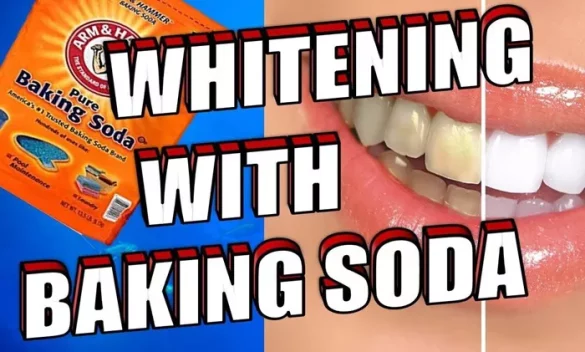
Many people seek a brighter smile and consider various home remedies for teeth whitening. Among popular methods are baking soda and purple food coloring. Understanding how these substances interact with tooth enamel and stains is essential for safe and effective whitening.
Understanding Tooth Discoloration
Types of Tooth Stains
Teeth discoloration can be classified into extrinsic and intrinsic stains. Extrinsic stains occur on the tooth surface due to coffee, tea, smoking, or foods. Intrinsic stains are deeper, caused by aging, medications, or dental trauma.
The Role of Enamel and Dentin
Tooth color is influenced by both enamel and dentin. Enamel is the hard, outer layer, slightly translucent, while dentin beneath has a yellowish hue. Staining often occurs on enamel, which can be removed more easily than discoloration in dentin.
Baking Soda as a Teeth Whitening Agent
Chemical Properties of Baking Soda
Baking soda, or sodium bicarbonate, is mildly abrasive and has alkaline properties. These characteristics allow it to neutralize acids in the mouth and remove surface stains through mechanical action.
Mechanism of Whitening
Baking soda works primarily through physical abrasion. It gently scrubs off surface stains caused by extrinsic factors. Its mild alkalinity also helps balance the oral pH, potentially reducing plaque formation.
Scientific Evidence
Multiple studies confirm that baking soda is effective at removing extrinsic stains when used correctly. However, it does not change the natural color of enamel or deeply embedded intrinsic stains. Overuse or excessive force may damage enamel over time.
Safe Usage Guidelines
Dental professionals recommend using baking soda no more than two to three times a week. Brushing gently with a soft-bristled toothbrush minimizes enamel wear. It is also advisable to combine baking soda with fluoride toothpaste to protect teeth.
Purple Food Coloring and Its Whitening Claims
Understanding Purple Food Coloring
Purple food coloring is a synthetic or natural dye used in food preparation. It contains pigments that can appear visually striking but have no known chemical properties for whitening teeth.
How Purple Food Coloring Works in Whitening Products
Some commercial whitening products use purple or blue pigments to create a visual effect called “color balancing.” This works on the principle that purple cancels out yellow tones in teeth, making them appear whiter. However, this effect is temporary and cosmetic rather than a true chemical whitening.
Limitations and Risks
Purple food coloring alone does not remove stains. In some cases, prolonged contact with food dyes can stain teeth or affect dental restorations. It is essential to differentiate between real whitening and temporary optical effects.
Combination of Baking Soda and Purple Food Coloring
Popular DIY Trends
Many DIY enthusiasts mix baking soda with purple food coloring to enhance whitening at home. The idea is that baking soda removes surface stains while the purple color visually counteracts yellow tones.
Effectiveness of the Combination
While baking soda can physically remove stains, purple food coloring provides only a short-term visual effect. The combination does not offer superior whitening compared to professional treatments or clinically tested over-the-counter products.
Dental Expert Opinions
Most dental experts advise caution. Baking soda is safe in moderation, but adding food coloring offers no real whitening benefit and could potentially stain the enamel or dental restorations. It is safer to use baking soda alone or professionally approved whitening products.
Professional Teeth Whitening vs Home Remedies
In-Office Whitening
Professional whitening treatments use hydrogen peroxide or carbamide peroxide in controlled concentrations. These agents penetrate enamel and dentin to remove both extrinsic and intrinsic stains effectively. Treatments are monitored to prevent sensitivity or enamel damage.
At-Home Whitening Kits
Over-the-counter whitening gels, strips, and toothpaste can be effective for mild stains. They contain low concentrations of peroxide and are designed to be safe for daily use when directions are followed. Unlike food coloring, they offer chemical whitening rather than just a visual effect.
Potential Risks of DIY Whitening with Baking Soda and Food Coloring
Enamel Erosion
Excessive use of abrasive substances like baking soda can wear down enamel, increasing tooth sensitivity and vulnerability to decay. It is crucial to avoid aggressive brushing or daily use of strong abrasives.
Gum Irritation
Color additives in food coloring may irritate gums or mucous membranes if applied directly in high concentration. Although uncommon, some individuals may experience mild inflammation.
Inconsistent Results
DIY methods often produce uneven whitening. Stains that are deep or intrinsic will not respond to baking soda and food coloring, leading to patchy or minimal results compared to professional treatments.
Best Practices for Safe Teeth Whitening
Use Approved Products
Choose toothpaste and gels approved by dental associations. These products are tested for safety and effectiveness, reducing risks associated with abrasives or dyes.
Limit Abrasive Materials
When using baking soda, combine it with fluoride toothpaste and brush gently. Avoid daily use to protect enamel. Moderate and controlled use is key.
Maintain Oral Hygiene
Brushing twice daily, flossing, and regular dental check-ups are essential. Removing plaque and surface stains prevents discoloration and complements any whitening efforts.
Professional Consultation
Before attempting any home whitening method, consult a dentist. A professional can assess enamel condition, identify stain type, and recommend safe and effective whitening strategies.
Conclusion
Baking soda can help remove surface stains due to its mild abrasiveness and alkalinity, but it does not change intrinsic tooth color. Purple food coloring provides a temporary visual effect by counteracting yellow tones but offers no real whitening. Combining the two does not enhance whitening substantially and may carry minor risks. For long-term, safe, and effective whitening, professional treatments or clinically approved at-home products are recommended.