


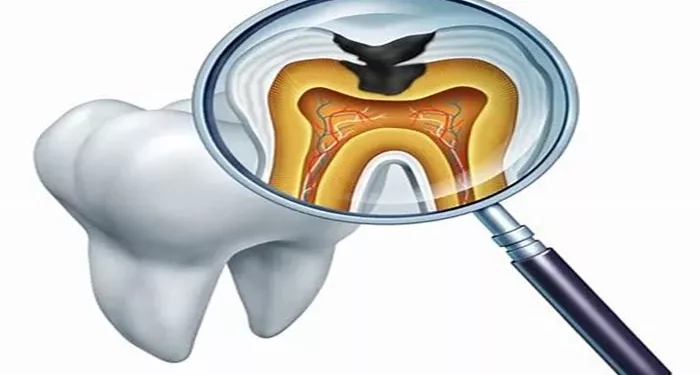
Tooth decay is one of the most common health problems worldwide, affecting people of all ages. As a dentist, I find many patients are surprised when cavities appear despite their brushing efforts. Understanding exactly how cavities form helps explain why they occur and how to prevent them. This article will explore the biological process of cavity formation, the factors that contribute to decay, and why some people are more susceptible than others.
The Science Behind Cavity Formation
Demineralization Process
The beginning of tooth decay:
- Oral bacteria metabolize sugars and carbohydrates
- Acid byproducts dissolve mineral content in enamel
- Calcium and phosphate ions are lost
- Microscopic pores develop in tooth structure
- White spot lesions appear as early warning signs
Plaque’s Role in Decay
The sticky biofilm culprit:
- Contains over 500 bacterial species
- Forms continuously on tooth surfaces
- Streptococcus mutans is primary decay-causing bacteria
- Produces sticky glucans that adhere to teeth
- Creates protective environment for acid-producing bacteria
Key Factors in Cavity Development
Dietary Influences
What we eat matters:
- Frequency of sugar intake more damaging than quantity
- Sticky foods adhere longer to tooth surfaces
- Acidic drinks soften enamel directly
- Lack of tooth-friendly nutrients affects resistance
Oral Hygiene Practices
Cleaning effectiveness:
- Inadequate plaque removal allows buildup
- Missed spots become decay hotspots
- Infrequent flossing leaves between-teeth areas vulnerable
- Poor brushing technique fails to clean gumline
Biological Contributors
Saliva’s Protective Role
Nature’s defense system:
- Neutralizes acids after eating
- Washes away food particles
- Contains remineralizing minerals
- Antibacterial components fight decay
- Reduced flow increases cavity risk
Tooth Structure Variations
Natural vulnerabilities:
- Deep pits and fissures trap plaque
- Thin enamel provides less protection
- Crowded teeth create hard-to-clean areas
- Existing fillings can weaken tooth structure
The Stages of Cavity Formation
Early Enamel Decay
Initial damage:
- Surface remains intact
- Subsurface demineralization occurs
- Appears as white chalky spots
- Can remineralize with proper care
Enamel Breakdown
Visible damage begins:
- Surface collapses into cavity
- Dentin becomes exposed
- Sensitivity may develop
- Requires professional treatment
Dentin Invasion
Decay progresses:
- Softer dentin decays faster
- Tubules direct bacteria toward pulp
- Pain becomes more noticeable
- Larger restoration needed
Risk Factors for Cavity Formation
Age-Related Susceptibility
Vulnerable periods:
- Children’s newly erupted teeth
- Teenagers with orthodontic appliances
- Adults with receding gums
- Elderly with dry mouth conditions
Medical Conditions
Health influences:
- Diabetes affects saliva and healing
- Acid reflux erodes enamel
- Autoimmune disorders may cause dry mouth
- Radiation therapy reduces saliva
Preventing Cavity Formation
Effective Oral Hygiene
Daily protection:
- Brush twice with fluoride toothpaste
- Clean between teeth daily
- Use antimicrobial mouthwash
- Clean tongue to reduce bacteria
Dietary Strategies
Food choices that help:
- Limit sugary snacks and drinks
- Choose cheese or nuts as snacks
- Drink water after eating
- Avoid constant grazing
Professional Prevention Methods
Dental Sealants
Protective coatings:
- Applied to chewing surfaces
- Fill pits and fissures
- Prevent food trapping
- Last several years
Fluoride Treatments
Remineralization boost:
- Professional-strength applications
- Helps reverse early decay
- Strengthens enamel
- Reduces sensitivity
Why Early Detection Matters
Benefits of Small Fillings
Conservative treatment:
- Preserves more tooth structure
- Less discomfort during procedure
- Lower cost than complex repairs
- Better long-term prognosis
Avoiding Complications
Preventing serious damage:
- Stops decay from reaching nerve
- Prevents tooth fractures
- Avoids abscess formation
- Maintains natural tooth
Special Considerations
Childhood Cavities
Unique aspects:
- Baby teeth have thinner enamel
- Frequent milk or juice consumption
- Developing brushing skills
- Importance of early dental visits
Root Surface Decay
Adult concerns:
- Gum recession exposes roots
- Cementum is softer than enamel
- Often progresses rapidly
- Challenging to restore
Conclusion
Cavities form through a complex interaction of bacteria, diet, saliva, and tooth structure. Understanding this process empowers us to take effective preventive action. While tooth decay remains common, it’s largely preventable with proper oral care, smart dietary choices, and regular dental visits. Modern dentistry offers numerous ways to stop early decay and repair damage when it occurs.
If you’re concerned about cavities, schedule an appointment with your dentist for a thorough evaluation and personalized prevention plan. Remember that small changes in daily habits can make a big difference in your cavity risk. With proper care and attention, you can maintain strong, healthy teeth throughout your life and avoid the pain and expense of advanced tooth decay.