


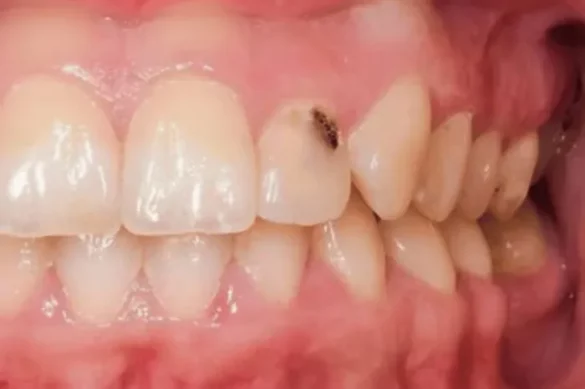
Cavities are a common dental problem. When a cavity forms on the side of a tooth, it can be especially difficult to treat because it is not always easy to reach. Dentists use several techniques to fix these cavities. The goal is to remove decay, restore the tooth’s shape and function, and protect it from further damage. Today, advances in dental technology mean patients have more options than ever before, some of which offer less pain and preserve more healthy tooth tissue.
Understanding Cavities on the Side of a Tooth
A cavity is a hole or area of decay in the tooth caused by bacteria. Cavities can develop on different parts of a tooth. The side of a tooth, also called the interproximal area, is a common place for cavities, especially between two teeth. This location is often harder to clean, allowing bacteria and food particles to accumulate. Over time, acids produced by bacteria wear away the tooth enamel, leading to a cavity.
Symptoms and Detection
Cavities on the side of a tooth may not cause symptoms immediately. In early stages, you might not feel pain. However, as the cavity grows, you may notice sensitivity to sweet foods, cold drinks, or pressure. Dentists detect cavities on the side of the tooth during a routine exam, often using X-rays to see between the teeth. Early detection is important for effective treatment and to prevent further damage.
Traditional Treatments: Drilling and Filling
For many years, the standard way to fix a cavity on the side of a tooth was with drilling and filling. Here’s how the procedure usually works:
Step 1: Numbing the Area
A dentist will apply a local anesthetic to numb the area around the tooth. This keeps you comfortable and reduces pain during the procedure. Usually, this means getting a small injection of anesthetic near the affected tooth.
Step 2: Removing Decay
Once the area is numb, the dentist uses a dental drill to remove the decayed part of the tooth. Care is taken to remove all infected tissue but preserve as much healthy tooth as possible. Removing decay is crucial because it stops the bacteria from causing further damage.
Step 3: Restoring the Tooth
After cleaning out the cavity, the dentist fills the space with a dental filling material. Most dentists use composite resin for fillings because it matches the color of natural teeth and bonds well to the tooth structure. Other materials, like silver amalgam or glass ionomer, may also be used depending on the location of the cavity and patient needs.
Step 4: Finishing Touches
Once the filling material is placed, the dentist shapes it to match the natural contour of the tooth. A curing light may be used to harden the resin quickly. After checking the bite and making minor adjustments, the procedure is complete.
Innovative Treatments: Resin Infiltration
Recently, new approaches have emerged to fix cavities on the side of teeth. One exciting development is resin infiltration. This technique is less invasive and does not require drilling or anesthesia for certain types of cavities.
How Resin Infiltration Works
Dentists use resin infiltration to treat small cavities between teeth or on smooth surfaces. It works differently from traditional fillings:
- First, a plastic perforated sheet is gently slid between the teeth where the cavity is located.
- The dentist applies a gel to clean and prepare the tooth surface. This gel helps the resin bond with the tooth enamel.
- Liquid resin is pushed through the perforated sheet so the resin can seep into the cavity.
- A dental curing light is then used to harden the resin inside the cavity.
This method preserves more healthy tooth tissue because there is no need to drill into the tooth. Resin infiltration is painless and often done without the need for anesthesia. However, it is suitable only for small cavities located between teeth or on certain tooth surfaces.
Benefits of Resin Infiltration
- No drilling or shots: The procedure is pain-free, making it ideal for children and those anxious about dental visits.
- Tooth structure preserved: Only the decayed area is treated, leaving healthy parts untouched.
- Quick recovery: The process is fast, usually taking less than half an hour, and does not require downtime.
- Aesthetic results: Because the resin matches the tooth’s color, the final appearance is natural.
- FDA-approved: Resin infiltration is approved for use and is currently being studied in clinical trials for wider availability.
Limits of Resin Infiltration
Resin infiltration works best for early-stage cavities. It cannot treat large cavities or those that have damaged the shape of the tooth. Traditional drilling and filling are still necessary when the decay is extensive or when the cavity is on the biting surfaces of teeth.
Other Side Cavity Treatments
Depending on the size of the cavity and its location, dentists may use other methods:
Dental Crowns
If the cavity has destroyed a lot of tooth structure, a filling may not be enough. In these cases, a dental crown may be used. A crown is a custom-made cover that fits over the whole tooth, protecting it and restoring its shape. The process involves cleaning the cavity, shaping the tooth, and then fitting the crown securely.
Inlays and Onlays
For moderate-sized cavities on the side of a tooth, dentists may use inlays or onlays. These are custom-made pieces designed to fit precisely into or onto the tooth, restoring its strength and preventing further decay.
Preventing Cavities on the Side of a Tooth
The best treatment is prevention. Cavities are easier to avoid than to fix. Here are some ways to reduce your risk:
- Brush twice daily with fluoride toothpaste.
- Floss at least once a day to clean between teeth.
- Visit the dentist regularly for cleanings and check-ups.
- Eat a balanced diet and limit sugary snacks.
Cavities between teeth often form because people neglect flossing. Daily flossing is essential to remove food and bacteria from these hard-to-reach areas.
What to Expect During the Procedure
If your dentist recommends treatment for a cavity on the side of your tooth, here’s what usually happens:
- You’ll have an exam and possibly X-rays. This helps the dentist see how big the cavity is and where it is located.
- The dentist will explain your options. For small cavities, resin infiltration might be suggested. For larger cavities, drilling and filling, or possibly a crown, may be needed.
- The procedure is completed, usually in one visit. Anesthetic may be used if drilling is required.
- Aftercare instructions are given. This usually includes avoiding hard foods until numbness wears off and keeping the area clean.
Post-Treatment Care
After treatment, you should monitor the treated tooth for sensitivity, pain, or discomfort. These symptoms usually go away within a few days. If pain becomes intense or lasts longer, contact your dentist. Good oral hygiene and regular dental check-ups will help maintain your dental health and prevent future cavities.
Conclusion
Dentists have several effective ways to fix cavities on the side of teeth. The choice of treatment depends on the size and location of the cavity. While drilling and filling remains common, new advances like resin infiltration offer less invasive and more comfortable options for early-stage cavities. Preventing cavities through good oral hygiene, regular dental visits, and healthy habits is always best. If you notice sensitivity or discomfort in your teeth, talk to your dentist as soon as possible for an exam and possible treatment.
FAQs
How do I know if I have a cavity on the side of my tooth?
Cavities often cause sensitivity to sweets, cold, or pressure, but sometimes they have no symptoms. Dentists use X-rays and
visual exams to find cavities between teeth.
Is resin infiltration safe for children?
Yes, resin infiltration is safe and pain-free, making it a good option for children with small cavities.
Do I need anesthesia for fixing a side cavity?
Traditional drilling may require anesthesia, but resin infiltration for small cavities often does not.
How long does it take to fix a side cavity?
Most procedures take less than an hour and are usually completed in one visit.
Can all side cavities be fixed without drilling?
No, resin infiltration works only for small and early-stage cavities. Larger cavities or those on biting surfaces need traditional repair methods.