


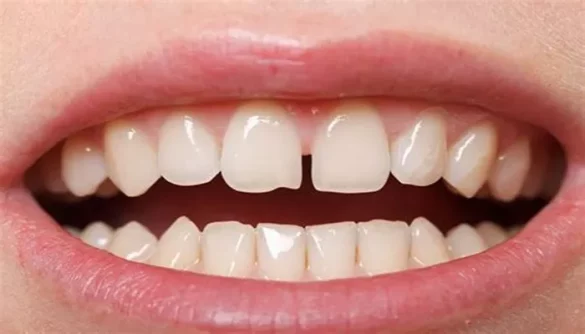
A small gap between teeth, also called diastema, is a common dental concern. Some gaps occur naturally, while others develop due to habits, genetics, or dental issues. Small gaps can affect appearance, speech, and oral health if food particles accumulate and cause gum problems. Many people consider braces to close these gaps. Understanding the treatment duration is important for planning and expectations.
Factors Affecting Braces Duration for a Small Gap
The time needed to close a small gap depends on several factors. Each patient is unique, and treatment duration varies.
Size of the Gap
The width of the gap is the main factor. Smaller gaps, typically less than 2 mm, may close faster. Larger gaps may need more time and careful adjustment.
Age of the Patient
Age affects tooth movement. Younger patients, especially children and teens, often experience faster results because their bones are still growing. Adults may need slightly longer treatment due to denser jaw bones.
Type of Braces
The kind of braces or aligners chosen influences treatment time:
Traditional Metal Braces: These provide consistent pressure and can close gaps effectively. Small gaps may take 3-9 months.
Ceramic Braces: Similar to metal braces, but less noticeable. Duration is slightly longer in some cases.
Clear Aligners: Aligners like Invisalign are popular for small gaps. They are removable and discreet. Treatment may last 3-8 months depending on gap size and patient compliance.
Lingual Braces: Placed behind the teeth, they work similarly to metal braces. Duration is often comparable but requires careful adjustment.
Oral Health and Habits
Good oral hygiene is essential. Brushing, flossing, and regular dental checkups prevent delays. Habits like thumb sucking or tongue thrusting may extend treatment duration. Cooperation with dental instructions is crucial.
Bone and Tooth Structure
Individual bone density and tooth shape affect movement. Teeth with stronger roots or denser bone may take longer to shift. Your orthodontist will assess your structure to estimate the timeline.
Typical Duration for Closing a Small Gap
For a small gap, treatment can be shorter than full orthodontic correction. Typical durations are:
- Minor gaps (less than 1-2 mm): 3-6 months
- Moderate gaps (2-4 mm): 6-9 months
- Large gaps (more than 4 mm): 9-12 months
These are general estimates. Individual cases may vary. Your orthodontist can provide a precise timeline after examination.
Options for Treating Small Gaps
Traditional Braces
Braces are a reliable option for closing gaps. Brackets and wires apply gentle, continuous pressure. This gradually moves teeth into position. Even a small gap benefits from braces if alignment or bite issues exist.
Clear Aligners
Clear aligners are removable and nearly invisible. They are customized for each patient. Aligners are usually changed every 1-2 weeks. Patients must wear them 20-22 hours per day for effective treatment. Compliance strongly influences how quickly gaps close.
Veneers or Bonding
For very small gaps, cosmetic options like veneers or composite bonding may be considered. These do not move teeth but fill spaces. This is a faster aesthetic solution, often completed in 1-2 dental visits.
Steps to Accelerate Treatment
Regular Check-Ups
Visiting your orthodontist on schedule ensures adjustments are timely. Delays can prolong treatment. Braces need occasional wire tightening and monitoring of tooth movement.
Maintain Good Oral Hygiene
Cleaning teeth thoroughly prevents gum disease and cavities. Healthy gums support faster tooth movement.
Follow Instructions
Whether using braces or aligners, following instructions is key. Aligners should be worn consistently. Braces require careful eating habits to prevent damage.
Use of Elastics or Accessories
Orthodontists may recommend elastics or other devices to close gaps efficiently. These tools can reduce overall treatment time when used correctly.
Retention After Gap Closure
Once the gap is closed, a retainer is essential. Teeth can drift back without retention. Retainers may be fixed or removable and are usually worn full-time initially, then gradually reduced to nightly use. Retention ensures the small gap does not return.
Signs Your Small Gap Treatment is Working
Monitoring progress is important. Signs include:
- Visible reduction in the gap
- Teeth alignment feels tighter
- Improved bite comfort
Regular photos or dental check-ups help track progress and adjust treatment if necessary.
Potential Challenges and Solutions
Slow Tooth Movement
Some teeth move slower due to root size or bone density. Your orthodontist may adjust the appliance or use special techniques like interproximal reduction to aid movement.
Compliance Issues
Not wearing aligners as instructed or breaking braces can extend treatment. Commitment to daily care is vital for closing small gaps efficiently.
Relapse Risk
Even after treatment, teeth may drift if retainers are not used. Lifelong maintenance, sometimes nightly retainer use, is recommended for permanent results.
Choosing the Right Option for Your Small Gap
Deciding between braces, aligners, or cosmetic options depends on:
- Gap size
- Age and bone health
- Alignment or bite issues
- Aesthetic preferences
- Budget and time commitment
An orthodontic consultation helps determine the best plan, ensuring efficient and effective gap closure.
Conclusion
Small gaps in teeth are common and treatable. Braces, clear aligners, or cosmetic solutions can close these gaps. The duration depends on gap size, patient age, appliance type, oral health, and compliance. Minor gaps often close in 3-6 months, while moderate cases may require 6-9 months. Following professional guidance, maintaining oral hygiene, and using retainers post-treatment ensure lasting results. Consulting an orthodontist is essential to develop a personalized plan and achieve the best outcome.