


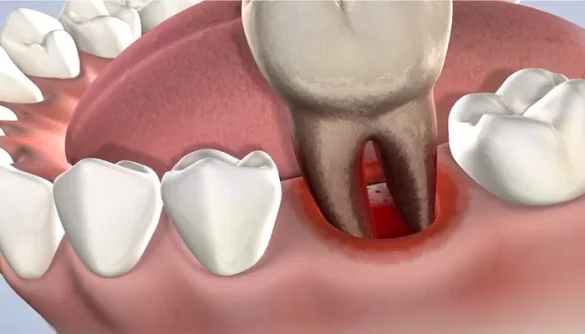
Wisdom teeth, also called third molars, usually appear in late adolescence or early adulthood. Sometimes, these teeth grow in straight, but often they are impacted, crooked, or partially erupted. Dentists often recommend extraction to prevent pain, infection, and dental crowding. Recovery from wisdom teeth removal varies depending on the complexity of the extraction and the patient’s health.
Immediate Post-Extraction Recovery
First 24 Hours
Immediately after the procedure, patients experience bleeding, swelling, and discomfort. It is common to bite on gauze to control bleeding. Ice packs applied externally can reduce swelling. Patients should rest and avoid physical activity. Eating soft foods and drinking fluids is recommended. Pain is usually managed with prescribed medications or over-the-counter analgesics.
First 48 to 72 Hours
Swelling often peaks between 48 and 72 hours. Bruising may appear around the jaw or cheeks. Some patients report limited mouth opening due to stiffness. Maintaining oral hygiene is crucial, but vigorous rinsing should be avoided to prevent dislodging the blood clot. Gentle saltwater rinses may be introduced after 24 hours. Cold compresses are usually replaced by warm compresses after 48 hours to encourage blood flow and healing.
Typical Healing Timeline
Week One
During the first week, the gum tissue starts to close around the extraction site. Pain and swelling gradually decrease. It is important to continue a soft food diet. Patients should avoid smoking, alcohol, and straws, which can cause a dry socket, delaying healing. Sutures, if used, may dissolve or need removal depending on the dentist’s recommendation. By the end of week one, most patients feel noticeable improvement, although mild soreness can persist.
Week Two
By the second week, swelling usually subsides completely. Most patients can return to normal eating and oral care routines. Residual tenderness may remain around the extraction site. Some may notice numbness or tingling if nerves were affected during surgery, which often resolves within a few weeks. Regular brushing is important, but avoid direct brushing over the extraction site until fully healed.
Week Three to Four
Bone and soft tissue continue healing. Most patients report minimal discomfort. The gum tissue forms a stronger barrier, reducing the risk of infection. Any lingering soreness or irritation is typically mild. Patients should continue monitoring oral hygiene and maintain follow-up appointments. At this stage, normal activities and diet are usually fully resumed.
Factors Influencing Recovery Time
Complexity of Extraction
Simple extractions heal faster than surgical or impacted tooth removals. Fully impacted teeth that require cutting into the gum or bone may take longer to heal. Surgical difficulty is often evaluated by the dentist using X-rays and imaging before the procedure.
Age and Overall Health
Younger patients tend to recover faster. Older patients may experience slower healing due to reduced blood circulation and slower cell regeneration. Chronic conditions such as diabetes or immune disorders can also extend recovery time. Good nutrition and hydration help promote faster healing.
Postoperative Care
Following dentist instructions is critical. Poor oral hygiene, smoking, or consuming alcohol can delay recovery and increase infection risk. Using prescribed pain medications, following diet guidelines, and attending follow-up visits can prevent complications and shorten healing time.
Infection or Complications
Infections, dry socket, or nerve injury can prolong recovery. Signs of infection include persistent pain, swelling, pus, fever, or bad taste in the mouth. Patients experiencing these symptoms should contact their dentist immediately. Prompt treatment can minimize recovery delays.
Managing Pain and Swelling
Pain Relief
Over-the-counter painkillers like ibuprofen are commonly recommended. Prescription medications may be given for severe pain. Pain usually decreases steadily after the first few days. Cold compresses can reduce initial swelling, while warm compresses may be used later to relieve discomfort.
Swelling Control
Swelling peaks around 48 hours and then gradually decreases. Elevating the head while resting can help minimize swelling.
Avoiding physical exertion reduces the risk of increasing inflammation. Applying ice packs intermittently in the first 24 hours is beneficial.
Dietary Considerations During Recovery
Soft Foods
Immediately after extraction, patients should consume soft foods such as yogurt, mashed potatoes, soup, and smoothies. Avoid hot, spicy, or acidic foods that can irritate the extraction site.
Hydration
Drinking plenty of fluids is essential, but avoid using straws. Suction can dislodge blood clots and cause dry socket. Water and mild beverages are ideal during the first few days.
Gradual Diet Progression
After the first week, gradually introduce firmer foods as comfort allows. Chewing should be gentle and avoid placing pressure directly on the extraction site. Full return to a normal diet is typically possible by the second or third week.
Oral Hygiene and Care
Cleaning the Mouth
Oral hygiene is crucial to prevent infection. Gentle brushing around the surgical site is advised. Rinsing with saltwater after 24 hours helps maintain cleanliness and promotes healing. Avoid commercial mouthwashes that contain alcohol as they may irritate the area.
Follow-Up Visits
Follow-up appointments allow the dentist to monitor healing, remove any non-dissolvable sutures, and address complications. Regular check-ups are important for ensuring a smooth recovery and proper healing of bone and gum tissue.
Long-Term Recovery Considerations
Bone Healing
Although soft tissue heals within a few weeks, the underlying jawbone may take several months to fully regenerate. Bone remodeling occurs slowly and is usually complete within three to six months. Patients should maintain good oral hygiene and regular dental visits during this period.
Monitoring for Complications
Even after apparent recovery, patients should be aware of lingering symptoms such as numbness, persistent pain, or gum irritation. Early detection and management of these issues can prevent long-term complications.
Return to Normal Life
Most patients can resume normal daily activities within one to two weeks. Physical exercise, heavy lifting, or sports should be avoided for at least a week or as recommended by the dentist. Gradual return to normal life ensures optimal recovery and reduces the risk of setbacks.
Summary of Recovery Timeline
Day 1-3: Bleeding, swelling, discomfort; use ice and rest.
Day 4-7: Swelling decreases, soft food diet continues, mild pain remains.
Week 2: Swelling resolves, gum tissue heals, normal oral hygiene resumes.
Weeks 3-4: Most discomfort gone, full return to normal activities.
Month 3-6: Jawbone fully heals, monitoring for complications continues.
Conclusion
Recovery from wisdom teeth removal is a gradual process influenced by multiple factors. Understanding the expected timeline and following proper care instructions ensures a smooth and complication-free recovery. While soft tissue typically heals within a few weeks, bone healing may take several months. Patients should maintain good oral hygiene, follow dietary guidelines, manage pain and swelling effectively, and attend follow-up visits for optimal outcomes. With proper care, most patients regain full function and comfort within one month, with complete healing achieved within six months.