


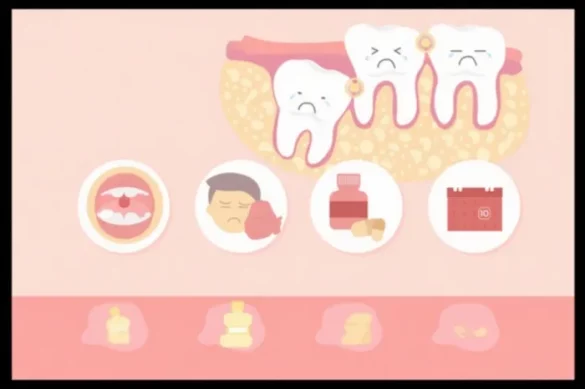
Wisdom teeth removal is a common oral surgery that can leave patients with swelling, pain, and discomfort. One of the most effective ways to manage these symptoms in the initial period after surgery is through the proper use of ice packs. Understanding how long and how often to ice your jaw after wisdom teeth extraction is essential for a smooth and speedy recovery.
Why Ice Is Important After Wisdom Teeth Removal
Icing plays a critical role in the early recovery phase following wisdom teeth extraction. When teeth are removed, the body responds with swelling, which can reach its peak in the first two to three days. Applying ice constricts blood vessels, reduces blood flow to the area, and helps minimize both swelling and pain. Early and consistent icing can make the difference between a comfortable recovery and unnecessary discomfort.
How Long Should You Ice Your Wisdom Teeth After Surgery?
The First 24 Hours: The Key Period
The most crucial time for icing is during the first 24 hours after your wisdom teeth are removed. During this period, swelling starts to develop and icing is at its most effective. The standard advice from dental professionals is to apply an ice pack to your jaw for 20 minutes, then remove it for the next 20 minutes. This on-and-off cycling method maximizes the benefits of icing without risking skin damage or frostbite. Repeat this cycle as much as possible while you are awake during the first day after surgery.
Many oral surgeons suggest icing both sides of the face, especially if multiple or all wisdom teeth were extracted. If you had surgery on only one side, you can focus the ice on that area. You may use a commercial ice pack or create your own by filling a plastic bag with crushed ice. Always wrap the ice in a clean towel to avoid direct contact with your skin.
The Next 24 Hours: Continuing the Approach
During the second 24 hours (up to 48 hours in total), you can continue icing if swelling persists. However, the benefit of icing gradually decreases after the initial peak period. You may repeat the 20-minute on, 20-minute off cycle a few times throughout the day as needed. In general, after the first two days, the effectiveness of ice as a treatment for swelling drops significantly, and it is time to move on to other forms of care such as warm compresses if recommended by your dental provider.
When to Stop Icing
After the first 48 hours, icing is no longer considered effective for reducing swelling. At this stage, many dentists recommend switching to gentle heat packs placed over the surgical area. Heat can help ease any lingering soreness and improve blood circulation, which supports healing. Continuing to ice beyond this period is neither necessary nor advised, as it no longer provides measurable benefit and may in fact slow down the recovery process if overdone.
Best Practices for Icing Wisdom Teeth Removal Sites
There are several important guidelines to ensure that icing is both safe and effective:
- Do not place ice directly on the skin. Always wrap the ice pack in a thin towel or cloth to avoid frostbite or skin irritation.
- Do not exceed 20 minutes of continuous icing. Over-icing can damage the skin and underlying tissues.
- Pay attention to how your jaw and face feel. If you experience numbness, burning, or tingling beyond normal anesthesia, stop icing and consult your dental team.
- Rest with your head elevated. When icing, it is also recommended to use pillows to keep your head above your heart, which further decreases swelling and promotes comfort.
Additional Tips for a Smooth Recovery
While icing is an important aspect of recovery, it is only one part of a comprehensive post-operative care plan.
- Keep the surgical area clean but avoid vigorous rinsing or brushing for the first 24 hours.
- Eat soft, cold or room-temperature foods like yogurt and pudding during the first couple of days. Avoid hot foods and drinks until the numbness wears off and the initial healing is underway.
- Drink plenty of fluids, but do not use a straw, as the suction can disturb blood clots that are crucial for healing.
- Take prescribed pain medications and antibiotics as directed by your dentist or oral surgeon.
- Rest and avoid physical exertion for the first 24-72 hours to reduce risks of bleeding and swelling.
Why Timing Matters: Swelling and Your Healing Timeline
Understanding the natural healing process helps clarify why icing is so beneficial in the first few days. The surgical trauma from wisdom teeth extraction causes an inflammatory response, which leads to swelling. This swelling usually peaks within two to three days, but its onset begins immediately. Applying ice early slows down the flow of fluids into the tissues and helps control this inflammation, meaning the less swelling you have to begin with, the easier your overall recovery will be.
Switching to heat after the first 48 hours helps the body reabsorb excess fluids and eases stiffness or any lingering discomfort. This simple shift from cold to warm therapy aligns with the body’s natural healing stages and maximizes your comfort without prolonging swelling.
What to Avoid When Using Ice
Incorrect use of ice can lead to problems rather than help. Remember the following precautions:
- Do not fall asleep with an ice pack applied, as prolonged exposure increases the risk of frostbite.
- Do not place chemical gel packs directly on the skin, as some may become extremely cold and cause injury.
- Do not touch or rub the surgical area with the ice pack; only press it gently against your cheek.
If you notice blisters, extreme redness, or any sign of skin damage after icing, discontinue use and consult your oral surgeon.
Common Questions About Icing Wisdom Teeth
Can I ice my wisdom teeth longer than 48 hours?
Most dentists recommend stopping icing after the first 48 hours. Continuing beyond this point offers little benefit for swelling and may actually slow healing.
Is it normal for swelling to persist after icing?
Yes, some swelling can persist for several days. If swelling increases after the initial peak or is accompanied by fever or severe pain, contact your oral surgeon.
What should I do if I forgot to ice right after surgery?
Even if you miss the initial window, beginning to ice as soon as possible during the first day can still reduce swelling. Stick to the recommended cycle and timing.
Should I use ice packs or frozen vegetables?
Both can work. Just ensure frozen items are wrapped in cloth and never placed directly on the skin.
Conclusion
Proper icing during the first 48 hours after wisdom teeth removal is a proven, dentist-recommended way to minimize swelling and make recovery more comfortable. The best approach is to use an ice pack for 20 minutes at a time with 20 minute breaks in between, switching to warm compresses after two days if needed. Combine icing with careful rest, oral hygiene, and a soft-food diet for the best healing outcome. Always follow your own dentist’s instructions, and do not hesitate to contact your oral surgery team if you have concerns during recovery.
FAQs
How often should I ice my jaw after wisdom teeth removal?
Icing should be done in 20-minute intervals (20 minutes on, 20 minutes off), repeated as needed during the first 24 to 48 hours after surgery.
Is it safe to ice overnight?
No, you should not ice your jaw while sleeping. Only use ice packs when awake and able to monitor your skin.
When should I stop using ice and start using heat?
Switch from ice to heat after the first 48 hours. Heat helps to reduce lingering stiffness and aids circulation.
Can over-icing harm my skin?
Yes, excessive or prolonged icing can cause frostbite and skin injury. Always wrap ice packs and monitor the skin closely.