


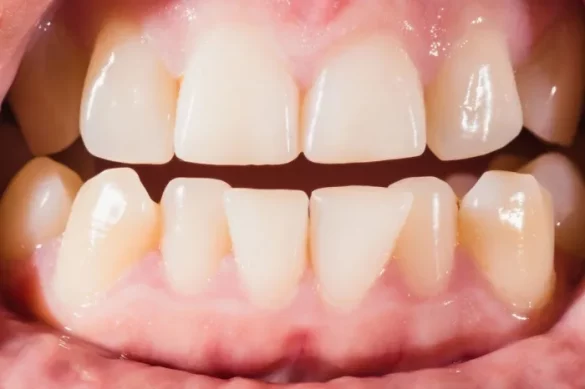
The journey to a perfect smile often involves months or even years of orthodontic treatment with braces. Yet, many patients wonder how quickly teeth can shift after braces are removed. Tooth movement is a natural part of life, but after investing so much in orthodontic care, understanding this process is essential for long-term success.
What Happens When Braces Are Removed?
Braces work by applying consistent, gentle pressure that slowly moves teeth into an ideal alignment. When braces are taken off, this pressure disappears. At that moment, your teeth are not yet completely stable in their new positions. The tissue and bone around your teeth, which were remodeled during treatment, need time to adapt and harden into the new alignment. Without supportive measures, such as a retainer, teeth can begin to move back towards their original state.
How Quickly Do Teeth Shift After Braces?
The rate at which teeth move varies, but movement can begin very quickly if you don’t wear your retainer. The first days and weeks after braces removal are the most critical. During this time, your teeth and the supporting bone are still healing and adjusting. Some studies and orthodontists report that minor changes in tooth positioning can be seen in as little as a few days to a few weeks if retainers are neglected. In the first 3 to 6 months, teeth are most likely to shift significantly without intervention. After the initial six months, the rate of shifting slows but never truly stops.
Key Timelines for Tooth Shifting
- First few days to weeks: Teeth are at the highest risk of movement. Even short delays in wearing your retainer can result in noticeable changes.
- First 3–6 months: The period when most shifting can occur. The periodontal ligaments and bone are settling and are not fully stable.
- Beyond 6 months: Rate of shifting decreases, but movement can continue for years, especially with poor oral habits or neglect of retainers.
Why Do Teeth Want to Move Back?
Teeth are held in place by periodontal ligaments and the surrounding bone. These ligaments have an elastic quality, almost like a memory. After months or years of being stretched into a new shape, they tend to pull the teeth back toward their old positions after the pressure of braces is gone. This is why retainers are critical—they help train ligaments and bone to hold the teeth in their proper places.
What Factors Influence the Speed of Tooth Movement?
1. Age
Younger patients often experience faster movement because their bones are still growing and changing. However, adults are also susceptible, and movement does not stop completely at any age.
2. Severity of Initial Misalignment
If your bite or alignment was more severe before treatment, the teeth are more likely to shift back compared to someone with a minor correction.
3. Dental Health
Strong, healthy gums and bones are better at holding teeth in place. Diseases like gum disease or bone loss increase the risk of post-treatment shifting.
4. Genetics
Some people are genetically predisposed to more significant tooth movement, while others are more stable over the long term.
5. Oral Habits
Behaviors like grinding your teeth, biting your nails, or chewing on hard objects place unwanted pressure and can increase the risk of shifting.
6. Retainer Use
This is the single most important factor. Not wearing your retainer as instructed drastically increases the chances and the speed of shifting.
Signs Your Teeth May Be Shifting
It is important to watch for early indications that your teeth are moving. These may include:
- Changes in how your teeth fit together when you bite (your bite feels off).
- Developing gaps or spaces between your teeth that were not there before.
- Crowding or overlapping of teeth, making cleaning more difficult.
- Trouble wearing your retainer, such as increased tightness or discomfort.
- Soreness or pain during chewing.
- Noticeable changes in the appearance of your smile.
What Are the Consequences of Shifting Teeth?
Teeth that move out of place can have several negative effects:
- Misalignment and relapse: Your straight teeth can become crooked, and your bite can return to its original state.
- Bite problems: Issues like overbite, underbite, or crossbite can return or worsen.
- Difficulty cleaning: Crowded or crooked teeth are harder to clean, raising the risk of cavities and gum disease.
- Jaw pain: Bite problems can lead to jaw discomfort and even TMJ disorders.
- Speech issues: Significant movement might affect how you pronounce certain words.
- Need for further orthodontic treatment: Severe relapse can require braces or aligners again.
How to Prevent Your Teeth from Shifting After Braces
The key to maintaining your smile is discipline and proper aftercare. Here are essential steps to keep teeth from drifting out of place:
1. Wear Your Retainer as Prescribed
Orthodontists usually recommend full-time retainer wear for the first several months. Many advise nighttime wear indefinitely, as teeth are always at risk of shifting, even years later. Always follow the instructions provided by your provider for best results.
2. Maintain Excellent Oral Hygiene
Healthy gums and supportive bone are crucial for stable teeth. Brush and floss thoroughly and regularly visit your dentist for checkups.
3. Avoid Harmful Habits
Do not chew on pens, ice, or your fingernails. If you grind your teeth, ask about a night guard to provide extra support for your smile.
4. Monitor for Early Signs of Movement
Take note of any changes in your bite or retainer fit and communicate these to your orthodontist as soon as possible.
5. Schedule Regular Follow-up Visits
Even after braces, you should see your orthodontist periodically to ensure all is well and catch potential problems early.
Can Teeth Shift Years After Braces?
Yes, tooth movement is a lifelong process. Changes in oral health, aging, or new habits can trigger movement, no matter how long it has been since you finished orthodontic treatment. Consistent retainer use is your best line of defense.
Conclusion
Teeth can start to shift back soon after braces are removed, especially if you do not wear your retainer consistently. The first few weeks and months are the highest risk period, but shifting can occur at any time. Compliance with retainer instructions, good oral hygiene, and healthy habits will help you keep your beautiful smile for life. If you notice signs of movement, contact your orthodontist promptly—early action can prevent bigger problems down the road.
Frequently Asked Questions (FAQs)
How soon after braces are removed can teeth start to move?
Minor shifting can begin within days if a retainer is not worn. The first three to six months after braces removal are especially critical for retainer use.
Is it normal for my teeth to feel loose after braces?
Yes, teeth often feel slightly loose as the bone and tissue adjust. This is a normal part of the post-braces process and stabilizes over time with retainer use.
How long do I need to wear my retainer after braces?
Most orthodontists recommend full-time wear for at least 6 months, followed by nighttime wear for years or indefinitely. Your orthodontist will tell you what’s best for your case.
Can I stop my teeth from ever moving again?
While you cannot stop all movement, long-term retainer use and good oral health practices will minimize shifting. Always stay in touch with your orthodontic provider for follow-up care.
What should I do if I notice my teeth are moving?
Contact your orthodontist as soon as possible. Early intervention may prevent the need for more complex treatments later.