


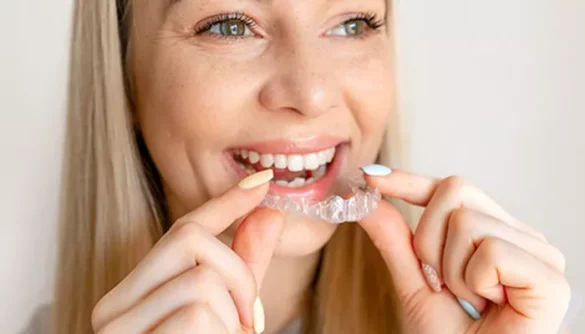
Mouth sores are a common problem for Invisalign users. These sores usually appear on the inner cheeks, lips, or tongue. They occur due to friction between the aligners and soft tissue. Understanding the cause is the first step in effective treatment.
Why Invisalign Can Cause Mouth Sores
Invisalign aligners are made of smooth plastic. However, edges or poorly fitted trays can rub against soft tissues. New users may experience more sores as their mouth adjusts. Frequent removal and reinsertion of aligners can also irritate the gums.
Types of Mouth Sores
There are several types of sores that can appear while using Invisalign:
- Canker Sores: Small, painful ulcers inside the mouth.
- Cold Sores: Usually caused by the herpes simplex virus, can flare up with irritation.
- Pressure Sores: Caused by consistent rubbing from aligner edges or attachments.
Immediate Relief for Mouth Sores
Early treatment can reduce pain and speed healing. Several natural and over-the-counter methods can provide relief.
Rinse with Salt Water
A warm salt water rinse helps clean the sore and reduces bacteria. Mix 1 teaspoon of salt in 1 cup of warm water. Swish in your mouth for 30 seconds, then spit. Repeat 2-3 times daily for best results.
Apply Aloe Vera Gel
Aloe vera has soothing and healing properties. Apply a small amount of pure aloe gel directly to the sore. Repeat 2-3 times a day. It reduces inflammation and encourages faster healing.
Use Over-the-Counter Topical Gels
Topical gels containing benzocaine or similar ingredients can temporarily numb pain. Apply a thin layer on the sore as needed. Avoid overuse to prevent irritation or allergic reactions.
Oral Hygiene Tips for Faster Healing
Proper oral hygiene is essential to prevent infection and promote healing.
Brush and Floss Carefully
Use a soft-bristled toothbrush to gently clean your teeth and gums. Floss daily, avoiding harsh movements near the sore area. This keeps bacteria away without causing further irritation.
Clean Your Aligners Regularly
Dirty aligners can introduce bacteria to sores. Rinse aligners after every meal and clean with a mild soap or Invisalign cleaning crystals. Avoid hot water, which can warp the aligner.
Use an Antibacterial Mouthwash
An alcohol-free antibacterial mouthwash reduces bacteria in the mouth. This helps prevent infections and promotes faster healing of the sore.
Diet Adjustments to Aid Healing
What you eat can influence sore recovery. Certain foods can reduce discomfort and speed healing.
Eat Soft Foods
Soft foods such as yogurt, mashed potatoes, and smoothies reduce friction and pressure on mouth sores. Avoid hard, crunchy, or sharp foods that can aggravate the sore.
Avoid Acidic and Spicy Foods
Acidic foods like citrus and tomatoes or spicy foods can sting and worsen inflammation. Limit intake until the sore heals.
Stay Hydrated
Drink plenty of water to keep your mouth moist. Saliva naturally protects and heals oral tissues. Avoid sugary drinks that can promote bacterial growth.
Protective Measures for Mouth Sores
Preventing sores while wearing Invisalign is key to comfort and treatment success.
Use Orthodontic Wax
Orthodontic wax creates a protective barrier between aligners and soft tissue. Roll a small piece of wax and place it over rough edges or attachments. Replace daily or when it falls off.
Check for Sharp Edges
Examine your aligners regularly. Smooth out any rough spots with a soft nail file or consult your orthodontist for replacement. Properly fitting aligners reduce friction and prevent sores.
Limit Aligners Wear Temporarily
If a sore is severe, remove your aligner for short periods. Always follow your orthodontist’s guidance to maintain treatment progress while allowing healing.
Natural Remedies to Accelerate Healing
Several natural remedies can soothe discomfort and support tissue repair.
Honey
Honey has antibacterial and healing properties. Apply a small amount directly on the sore. Repeat several times daily. Ensure it does not get trapped under the aligner for long periods.
Coconut Oil
Coconut oil contains antimicrobial compounds that help reduce irritation. Apply with a clean finger or cotton swab to the sore. Oil pulling can also be beneficial.
Chamomile Rinse
Chamomile has anti-inflammatory effects. Brew chamomile tea, let it cool, and use as a mouth rinse 2-3 times daily to soothe the sore area.
When to See an Orthodontist or Dentist
While most sores heal within a week or two, some may require professional care.
Sores That Don’t Heal
If a sore persists for more than two weeks, consult your dentist. Persistent sores may indicate infection or poor-fitting aligners.
Severe Pain or Swelling
Intense pain, swelling, or bleeding should be evaluated. Your dentist may recommend adjustments or medicated treatments.
Signs of Infection
Redness, pus, or fever may indicate infection. Immediate professional care is required to prevent complications and ensure safe healing.
Preventing Future Mouth Sores
Prevention is key to a comfortable Invisalign experience. Regular care reduces risk and supports oral health.
Proper Aligner Fit
Ensure your aligners are correctly fitted. Schedule regular orthodontic check-ups to make adjustments. Misaligned trays increase friction and cause sores.
Regular Cleaning Routine
Clean both your teeth and aligners daily. Removing food debris and bacteria reduces irritation and promotes healthy gums.
Use Protective Wax as Needed
Keep orthodontic wax handy, especially in the first weeks of new aligners. Regular use can prevent irritation while your mouth adjusts.
Conclusion
Mouth sores from Invisalign are common but manageable. Understanding the cause, maintaining oral hygiene, using relief methods, and adopting preventive measures can accelerate healing. Most sores heal naturally within one to two weeks.
Persistent, painful, or infected sores require dental evaluation. By following these steps, Invisalign users can continue treatment comfortably and maintain healthy oral tissues.