


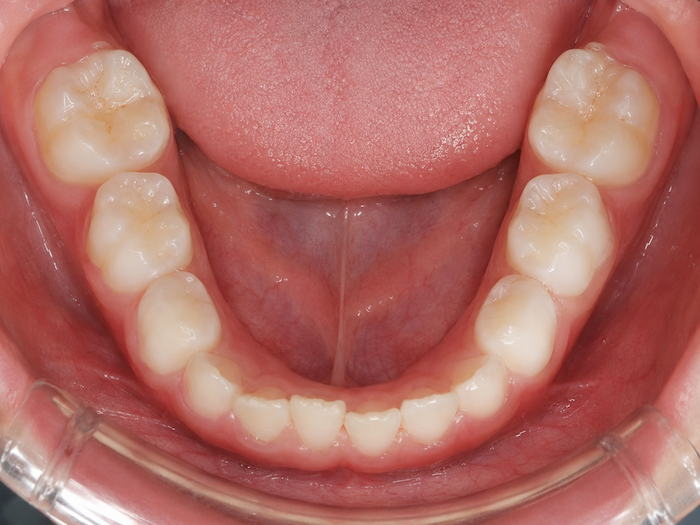
Protect 6-Year Molars With Three Key Steps
Many parents ask, “Does decay in baby teeth really matter?” Some may think, “Baby teeth will fall out anyway.” Therefore, they may not worry when a child eats sweets or shows early signs of tooth decay.
However, not every tooth in a child’s mouth will be replaced. 6-year molars are permanent teeth. They usually erupt around age 6 and stay for life.
So, parents should remember:
- 6-year molars do not grow back
- They are important for chewing
- They help guide the bite
- They need early protection
- Cavities can develop quietly
- Prevention is easier than treatment
If these teeth decay badly, children may face pain, eating problems, and future bite issues. Therefore, parents should not wait until toothache appears.
So, how can we protect them? The answer is simple: sealants, fluoride, and good brushing habits.
6-Year Molars Do Not Grow Back
6-year molars are also called first permanent molars. They erupt behind the baby teeth. They do not replace any baby tooth.
For adults, these teeth sit near the back of the dental arch. If wisdom teeth are included, the first permanent molars are usually the third teeth from the back.
Most children have four 6-year molars:
- Upper left first permanent molar
- Upper right first permanent molar
- Lower left first permanent molar
- Lower right first permanent molar
They usually appear around age 6. Therefore, many people call them 6-year molars.
However, parents may miss them because they erupt quietly behind baby molars. As a result, these permanent teeth may decay before parents realize they are there.
Therefore, parents should check the back of the mouth when a child reaches age 6.
Why Early Loss Can Be Serious
The early loss of first permanent molars can cause many problems. These teeth do much more than chew food.
They help children:
- Grind food well
- Maintain bite balance
- Support jaw development
- Hold space in the dental arch
- Guide future permanent teeth
- Maintain facial growth support
If a first permanent molar is lost early, nearby teeth may tilt. The opposing tooth may also move too far into the empty space.
This may lead to:
- Poor chewing ability
- Bite disorder
- Food trapping
- Jaw development problems
- Tooth crowding
- Future orthodontic needs
- Lower eating comfort
Moreover, poor chewing can affect diet. Some children may avoid harder foods. Over time, this may influence nutrition.
Therefore, parents should treat these molars as lifelong teeth from the beginning.
Black Lines on Molars Can Hide Problems
The weakest area of first permanent molars is often the groove system. Dentists call these areas pits and fissures.
Normal molar chewing surfaces are not flat. They have many grooves. When children eat, food debris can get trapped in these grooves.
If food and plaque stay there for a long time, bacteria can grow. Then, acid attacks the enamel. As a result, pit and fissure cavities may form.
Common signs include:
- Black lines on the chewing surface
- Brown spots in deep grooves
- Food stuck in one area
- A rough tooth surface
- Sensitivity to sweets
- Pain when chewing
- A small dark hole
However, black lines may also be stains. Therefore, parents should not diagnose at home. A dentist can check whether the line is stain or decay.
Still, parents should never ignore dark grooves.
Why Molars Are Hard to Clean
First permanent molars are easy to decay because they sit far back in the mouth. Young children often cannot brush those areas well.
Also, the grooves may be very deep. Toothbrush bristles may clean the surface, but they may not reach the bottom of narrow pits.
Cavity risk increases when children:
- Eat sweets often
- Drink sugary beverages
- Brush too quickly
- Miss the back teeth
- Have deep molar grooves
- Lack fluoride protection
- Do not visit the dentist regularly
Moreover, newly erupted permanent molars may be more vulnerable. Their enamel still needs time to mature.
Therefore, parents should help children clean these teeth. They should also ask the dentist whether sealants or fluoride are needed.
Prevention should begin soon after eruption.
Three Ways to Stay Away From Cavities
So, how can parents prevent cavities in first permanent molars? The Chinese article gives three main methods. These methods are also practical in daily dental care.
The three key steps are:
- Pit and fissure sealants
- Fluoride treatment
- Careful brushing
Each method has a different role. Sealants protect the grooves. Fluoride strengthens enamel. Brushing removes plaque and food debris.
However, no single method can solve everything. Sealants mainly protect the chewing surface. Fluoride supports enamel but cannot remove plaque. Brushing helps daily cleaning, but it may miss deep grooves.
Therefore, parents should combine all three methods.
In addition, children should visit the dentist regularly. A dental check can find early problems before pain appears.
First Step: Pit and Fissure Sealants
Pit and fissure sealants are protective materials used in dentistry. A dentist applies the sealant to the grooves of first permanent molars.
After hardening, the sealant forms a protective barrier. It covers the deep pits and fissures. Therefore, food and bacteria have fewer places to hide.
Sealants can help:
- Seal deep molar grooves
- Reduce plaque buildup
- Prevent pit and fissure cavities
- Make molars easier to brush
- Protect newly erupted teeth
- Lower future filling risk
This is like giving the molar a protective coat. It does not make the tooth indestructible. However, it can greatly reduce cavity risk when used properly.
Generally, parents can consider sealants when the molars fully erupt. This often happens around ages 6 to 7.
The procedure usually does not cause obvious pain.
How Sealants Are Done
The sealant process is usually simple. However, technique matters. The tooth must stay clean and dry.
The common steps include:
- Cleaning the tooth surface
- Drying the tooth
- Preparing the enamel surface
- Rinsing the tooth
- Drying again
- Applying the sealant
- Hardening the material
- Checking the bite
During the process, saliva control is very important. If saliva contaminates the tooth, the sealant may not bond well.
Therefore, the child needs to keep the mouth open. The tongue should also avoid touching the treated tooth.
If the sealant does not bond well, gaps may form. Then, bacteria can enter and cause decay.
So, parents should choose a professional dental clinic for sealants. Good technique improves the protection effect.
When Sealants Are Not Suitable
Not every child can use sealants in the same way. If the first permanent molar already has a cavity, the dentist must treat the decay first.
Sealants may not be enough when there is:
- A visible cavity
- A deep black hole
- Tooth pain
- Sensitivity
- Broken enamel
- Active infection
- Poor moisture control
If decay has already entered the tooth, a filling may be needed. If the tooth only has deep grooves and no decay, sealants may be suitable.
Moreover, if the molar surface has no obvious grooves and no decay, the dentist may suggest fluoride treatment instead.
Therefore, parents should not decide alone. A professional exam is the safest way to choose.
Second Step: Fluoride Treatment
Fluoride can help strengthen enamel. It can also support remineralization of early weak areas. Therefore, fluoride treatment is often used to prevent cavities.
Fluoride treatment may help:
- Strengthen tooth enamel
- Reduce acid damage
- Support early remineralization
- Lower cavity risk
- Protect newly erupted teeth
- Reduce sensitivity in some cases
Newly erupted first permanent molars may benefit from fluoride. This is because the enamel is still maturing.
Parents may bring children for dental checkups every six months. Then, the dentist can decide whether fluoride is needed.
However, fluoride should be used correctly. Professional fluoride products are stronger than daily toothpaste. Therefore, trained dental staff should apply them.
Parents should not let children swallow high-fluoride products.
Who Should Be Careful With Fluoride?
Fluoride is helpful for many children. However, it still needs proper use.
Parents should tell the dentist if the child has:
- Fluoride allergy
- Special medical conditions
- A history of swallowing dental products
- Very low cavity risk
- Mouth ulcers or severe gum inflammation
- Other dentist instructions
Also, children should use age-appropriate toothpaste. Parents should control the amount. Young children only need a small amount.
Too much fluoride intake during tooth development may increase the risk of dental fluorosis. Therefore, professional guidance matters.
In short, fluoride is useful, but more is not always better.
The safest approach is to let the dentist assess the child’s cavity risk first.
Third Step: Brush Teeth Well
Sealants and fluoride help, but they cannot replace brushing. Good brushing is still the foundation of cavity prevention.
Parents should help children brush because many children cannot clean back teeth well.
Brushing tips include:
- Brush twice a day
- Brush before bedtime
- Use fluoride toothpaste
- Brush for about two minutes
- Clean the chewing surfaces
- Clean the gumline
- Reach the back molars
- Replace toothbrushes regularly
Moreover, parents should check the child’s brushing. Children may miss first permanent molars because they sit far back.
A small toothbrush head may help reach those areas. Some children may also benefit from an electric toothbrush.
However, brushing should be gentle. Brushing too hard can irritate gums.
Build a Good Brushing Habit
Children need time to build habits. Therefore, parents should make brushing part of the daily routine.
Helpful methods include:
- Brush together with the child
- Use a timer
- Check the back teeth after brushing
- Praise good brushing
- Reduce bedtime snacks
- Keep toothpaste visible
- Replace sweet drinks with water
Moreover, parents should avoid using fear to force brushing. A calm routine works better.
Children should understand that first permanent molars will not be replaced. They should know these teeth need lifelong care.
Also, brushing after every snack may not be realistic. However, brushing before sleep is essential. During sleep, saliva flow decreases. So, bacteria can cause more damage.
Therefore, bedtime brushing should never be skipped.
Diet Also Matters
Cavity prevention is not only about brushing. Diet also plays a major role.
Parents should reduce:
- Sticky candy
- Sugary drinks
- Soda
- Cookies between meals
- Sweet milk before sleep
- Frequent desserts
- Dried fruit that sticks to teeth
- Sports drinks
Better choices include:
- Water
- Fresh fruit
- Cheese
- Eggs
- Vegetables
- Plain yogurt
- Balanced meals
- Sugar-free snacks when suitable
Moreover, sugar frequency matters. Eating sweets many times per day is worse than eating them once with a meal.
After sweet foods, children can drink water. This helps rinse the mouth. However, it cannot replace brushing.
Therefore, healthy food habits support sealants, fluoride, and brushing.
What If You See a Black Line?
If parents see a black line on a first permanent molar, they should not panic. However, they should not ignore it.
The correct steps are:
- Check whether it brushes away
- Watch for food trapping
- Ask the child about pain
- Avoid scraping the tooth at home
- Schedule a dental visit
- Let the dentist diagnose it
If the black line is only stain, the dentist may clean or monitor it. If it is early decay, the dentist may recommend sealant, fluoride, or a filling.
If there is already a cavity, treatment should begin early. Small cavities are easier to treat than deep cavities.
Therefore, early dental visits protect the tooth and reduce future pain.
Why Regular Dental Checkups Are Important
Regular dental checkups help protect first permanent molars. Many early cavities do not cause pain. So, parents may not notice them at home.
A dental check can help with:
- Checking tooth eruption
- Finding early cavities
- Assessing deep grooves
- Applying sealants
- Applying fluoride
- Teaching brushing methods
- Checking old sealants
- Guiding diet habits
Generally, children can visit the dentist every six months. However, high-risk children may need more frequent visits.
Also, early visits help children become familiar with dental care. This can reduce fear later.
Therefore, parents should not wait until a child cries from toothache. Prevention is easier and kinder.
FAQ
What are 6-year molars?
6-year molars are the first permanent molars. They usually erupt around age 6 behind the baby molars. They do not replace baby teeth.
##Do 6-year molars fall out?
No. 6-year molars are permanent teeth. They do not naturally fall out like baby teeth. Therefore, they need lifelong protection.
When should children get dental sealants?
Children can usually get sealants when the first permanent molars fully erupt. This often happens around ages 6 to 7. A dentist should check first.
Are black lines on molars cavities?
Not always. Black lines may be stains or early cavities. However, parents should take the child to a dentist if the line does not brush away.
Is fluoride treatment safe for children?
Professional fluoride treatment is safe for many children when used properly. However, the dentist should assess the child’s condition and cavity risk first.
##How can parents prevent cavities in 6-year molars?
Parents can help with sealants, fluoride treatment, proper brushing, less sugar, and regular dental checkups.
Summarize
6-year molars are very important permanent teeth. They usually erupt around age 6 and will not grow back if lost.
Parents should remember:
- 6-year molars are not baby teeth
- Each child usually has four of them
- They help chewing and bite development
- Deep grooves can trap bacteria
- Black lines may hide early cavities
- Sealants can protect molar grooves
- Fluoride can strengthen enamel
- Brushing is still essential
- Regular checkups help prevent bigger problems
In conclusion, 6-year molars need early protection. Parents should not wait for pain or visible holes. With pit and fissure sealants, fluoride treatment, careful brushing, and regular dental care, children can protect their first permanent molars and keep a healthier smile for life.