


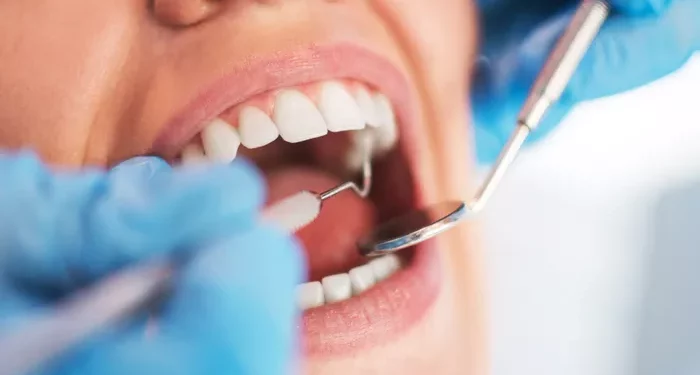
Many Americans postpone dental visits, hoping minor issues such as toothaches or bleeding gums will resolve on their own. For Black adults, this delay can have particularly severe consequences. Research published in Community Dentistry and Oral Epidemiology indicates that Black adults have the highest rates of tooth decay and major dental problems among all U.S. adults. Alarmingly, dental debt accounts for nearly 40% of the nation’s more than $194 billion in medical debt.
Cost and Access Remain Significant Barriers
The Centers for Disease Control and Prevention (CDC) identifies cost and access as major obstacles to dental care. Even with health insurance, many plans exclude dental coverage or impose strict limitations, leaving treatments unaffordable for numerous families. Delaying dental care rarely improves oral health; untreated issues often escalate, requiring more complex and costly interventions. Consequently, emergency rooms frequently serve as the first point of care for uninsured or underinsured patients. Studies reveal that Black Americans are twice as likely to seek emergency dental care due to lack of regular access.
Older adults face added challenges. Many over the age of 65, who previously relied on employer-sponsored dental coverage, are often unaware that standard Medicare plans generally exclude most dental services.
Historical Trauma and Fear Impact Dental Decisions
Beyond financial barriers, fear also plays a critical role. Dr. Ruthie Jimerson, DDS, associate professor at Meharry School of Dentistry in Nashville, explains that dental anxiety is often generationally inherited. “Historical trauma, including the brutal dental treatment of enslaved people with rudimentary tools, has created a longstanding fear of dental care,” she notes. Today, this fear continues to discourage Black patients from seeking routine preventive care, increasing the risk of severe complications.
Neglecting oral health can be life-threatening. Data from the National Cancer Institute show that Black Americans experience higher oral cancer mortality rates, largely due to late-stage diagnosis. Research in the Journal of Evidence-Based Dental Practice confirms that most oral cancer cases are identified only at advanced stages.
Steps to Improve Oral Health
- Understand Your Coverage: Review your health insurance, Medicaid, or Medicare plan to determine covered dental services and limitations. Medicare Advantage plans may offer some dental benefits.
- Find the Right Dentist: Not all providers accept all insurance plans. Schedule a preventive visit that includes cleaning, x-rays, and an exam. Discuss payment options and coverage limits before procedures to avoid unexpected costs.
- Explore Community Resources: Dental schools and community programs often provide low-cost care under supervision. Mobile clinics and volunteer programs regularly visit low-income neighborhoods, schools, and churches. The American Dental Association maintains a national directory of these programs.
- Communicate with Your Provider: Ensure prior approval for procedures and inquire about affordable treatment or payment plans to prevent accumulating debt.
Oral health is a critical component of overall wellness. Ignoring dental care can result in severe pain, infections, and tooth loss. By understanding insurance options, accessing affordable care, and seeking preventive services, Black adults can take meaningful steps to safeguard both their oral health and overall well-being.
Tags: bleeding gumsdental caretoothtooth decay