


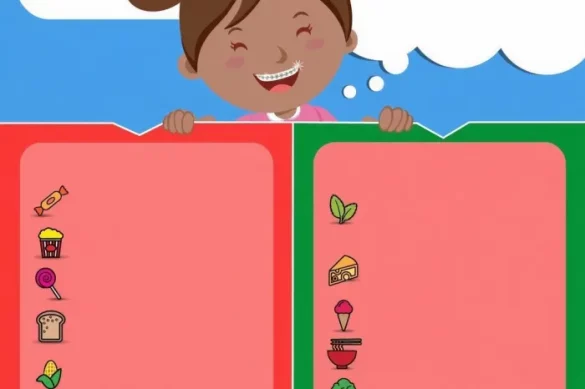
Braces are a valuable tool in achieving a well-aligned smile and healthy bite. When you first get braces, you are likely excited about the improvements ahead. However, wearing braces comes with specific responsibilities—especially when it comes to what you can and cannot eat. Adjusting your diet during orthodontic treatment is important for protecting your braces, reducing potential discomfort, and ensuring the best results from your orthodontic journey.
Why Diet Matters With Braces
Braces are made of small, delicate parts. While the brackets and wires are designed to be strong enough for everyday use, they are not invincible. Hard, sticky, or chewy foods can cause brackets to loosen or break and may result in bent or dislodged wires.
Every time this happens, your treatment timeline can be prolonged and extra visits to the orthodontist may be required. Besides protecting your braces, proper food choices will also help prevent food particles from being trapped in new hard-to-clean places, lowering the risk of tooth decay and gum problems.
Foods You Should Completely Avoid With Braces
Some foods present a high risk to the health of your braces because of their texture or stickiness. It’s important to know these so you can protect your orthodontic investment and maintain good oral hygiene:
Hard Candy
Many types of hard candies can damage both your teeth and braces. These should be avoided entirely.
Sticky and Chewy Foods
Sticky foods like caramel, taffy, gummy candies, chewing gum, and licorice can latch onto your braces. This may loosen the brackets or wires and can be very difficult to completely remove during brushing.
Popcorn
Popcorn presents a double risk. The hard, unpopped kernels can break brackets, while the hulls easily get trapped in wires and brackets, increasing the risk of gum irritation or infection.
Nuts
Nuts are hard and may require biting with force, which could snap the wires or brackets.
Crunchy Fruits and Vegetables
While fruits and vegetables are an important part of a healthy diet, biting directly into hard, raw options like apples or carrots can damage your braces. They may be eaten if cut into bite-sized pieces or cooked to a soft consistency.
Pizza Crust and Hard Breads
Very hard pizza crusts or bagels can be tough to bite and chew, risking breakage of the braces. Look for soft alternatives or enjoy the inner part of breads.
Tough or Chewy Meats
Tough cuts of meat such as steak, beef jerky, or pork chop require extra chewing, which can put strain on your braces. Always cut meat into small, manageable pieces.
Ice
Biting down on ice is strongly discouraged for everyone, but especially for those with braces. It can easily break the brackets or wires.
Hard Snack Foods
Snack chips, pretzels, and crunchy crackers should be avoided for the same reason: they can damage the hardware in your mouth.
Foods You Can Safely Eat With Braces
Despite these restrictions, there is a variety of tasty and nutritious foods that are safe to enjoy. Many of these foods also help minimize discomfort, especially after an adjustment.
Soft Fruits
Many soft fruits are perfect for people with braces. Bananas, melons, peaches, ripe pears, mangoes, and berries are all soft and gentle on your appliance. These fruits are rich in vitamins and minerals essential for good oral health.
Cooked or Soft Vegetables
Steamed, boiled, or baked vegetables are easy to chew and full of nutrients. Try cooked carrots, broccoli, squash, and green beans.
Pasta, Rice, and Soft Grains
Most types of pasta, rice, and grains like quinoa and couscous are braces-friendly and easy to eat. Be mindful of any hard or crunchy add-ins.
Dairy Products
Soft cheeses such as brie, ricotta, cottage cheese, and yogurt are gentle on teeth and good sources of calcium, which strengthens your enamel.
Soft Breads
Soft sandwich bread, tortillas, and pitas are safe. Opt for these rather than crusty rolls or hard bagels.
Eggs
Scrambled or boiled eggs are a protein-rich, easy choice during orthodontic treatment.
Mashed Potatoes
Smooth and soft, mashed potatoes are a classic comfort food that poses no risk to your braces. For a flavor boost, try adding soft cheese, chives, or a touch of garlic.
Fish and Soft Meats
Soft, flaky fish and meatloaf are usually easy to handle with braces. Always cut meat into small pieces to prevent the need for excessive biting.
Soups
Warm, savory soups with cooked vegetables or small pasta shapes can be both filling and easy to eat.
Desserts
Many desserts can be safely enjoyed, such as ice cream, pudding, soft cakes, and most chocolates (as long as they do not contain hard nuts or sticky caramels).
Tips for Eating Comfortably With Braces
Cut Food Into Small Pieces
Bite-sized pieces are far less likely to damage your appliance or get trapped in the wires and brackets.
Go Soft After Adjustments
After your braces are tightened, your mouth may be sore. Stick with soft foods such as oatmeal, smoothies, yogurts, scrambled eggs, and creamy soups until the discomfort subsides.
Chew Carefully and Slowly
Always chew gently with your back teeth instead of your front teeth, which are more prone to discomfort and damage.
Keep Up With Oral Hygiene
Food is more likely to get stuck in braces, so swish with water after eating and brush your teeth and braces thoroughly after every meal.
Stay Hydrated
Sip water throughout the day to wash away food debris and maintain a clean oral environment.
Common Questions About Food and Braces
Can I eat crunchy fruits and vegetables?
Yes, but only if they are sliced into small pieces or cooked until soft. Never bite directly into hard fruits or veggies with braces.
Is chocolate OK with braces?
Most plain or soft chocolates are safe. Avoid chocolates with nuts, caramel, or any hard or sticky fillings.
Can I still enjoy pizza?
Yes, as long as you avoid crunchy crusts and choose softer options. Enjoy the softer inner part or opt for thin, tender crusts.
What about snacks?
Look for soft snack options such as sliced cheese, soft granola bars (without nuts), applesauce, or yogurt. Skip the hard chips or popcorn.
Conclusion
A successful orthodontic treatment is about more than just wearing your braces. It also means making smart choices regarding your diet. Focus on foods that are soft, nutritious, and less likely to get stuck in your braces or cause damage. With a few adjustments and a positive attitude, you can still enjoy a varied and tasty diet throughout your orthodontic journey. These new habits may even stick with you for a healthier lifestyle long after your braces come off!
Frequently Asked Questions (FAQs)
Can I eat bread with braces?
Yes, soft breads, pitas, and tortillas are safe. Avoid hard crusted and very dense breads.
Are all meats off-limits with braces?
No, only tough or chewy meats are risky. Eat soft, tender meats by cutting them into small pieces.
Is ice cream allowed with braces?
Yes, plain ice cream can be soothing. Avoid hard mix-ins or sticky toppings.
When can I eat normally after getting braces?
You can eat normally once your mouth adapts, usually after a few days. In the meantime, stick to soft foods to reduce discomfort.
What can I do if food gets stuck in my braces?
Swish with water immediately and brush carefully. Consider using a water flosser or interdental brushes to clean between brackets and wires.