


Rubber bands, also known as elastics, are a key part of orthodontic treatment for many patients who wear braces. If you are beginning your journey to straighter teeth and a healthier bite, you may be wondering about the timing and importance of these small but powerful accessories. Understanding when and why to start wearing rubber bands can help you get the best results from your braces and keep your treatment progressing smoothly.
What Are Rubber Bands for Braces?
Rubber bands are small, flexible loops made specifically for orthodontic purposes. They are generally made from medical-grade latex or a latex-free material for those with allergies. Rubber bands connect to hooks on the brackets of your braces, stretching between your upper and lower teeth or across certain areas in your mouth. Their primary job is to help correct your bite and jaw alignment, working in partnership with brackets and wires to move the teeth into proper relationships with one another.
Why Are Rubber Bands Important?
Braces themselves are very effective at straightening teeth, but sometimes tooth alignment alone is not enough. Many dental issues involve how the upper and lower teeth fit together, which is known as your bite. If you have conditions such as overbite, underbite, open bite, or crossbite, rubber bands are used to apply additional, targeted pressure. This pressure guides your jaws and teeth so that your bite becomes more balanced and functional. Without rubber bands, some bite issues may not be fully corrected even if the teeth look straight.
When Do You Start Wearing Rubber Bands for Braces?
One of the most common questions patients ask is, “When will I have to start wearing rubber bands?” The timing is unique for every person and depends on the individual treatment plan designed by your orthodontist.
The Typical Timeline
For most patients, rubber bands are not used right from the start. When braces are first applied, the focus is on aligning and leveling the teeth. This stage lasts for a few months, during which the brackets and wires gently move teeth into straighter positions. Once the teeth have settled and are sufficiently aligned, your orthodontist will assess your bite and decide if you need additional correction. This decision often happens between three to six months into treatment, but some patients may require elastics earlier or later depending on how their teeth respond and the complexity of their case.
Not Every Patient Needs Rubber Bands
It’s important to remember that not all braces patients require rubber bands. If your teeth are already well aligned and your bite is healthy, elastics may not be necessary. However, most orthodontic patients will need rubber bands at some stage, especially if they have moderate to severe bite problems. Your orthodontist will carry out thorough evaluations during regular checkups and let you know the exact time to begin wearing elastics as part of your treatment plan.
Factors Influencing the Timing
Several factors affect when you start wearing rubber bands:
Type of Bite Problem
Some bite issues, such as crossbites or severe overbites, may require earlier intervention with elastics, while mild underbites or minor space closures can be addressed later in treatment.
Tooth Movement Progress
Orthodontists closely monitor how your teeth are moving. If alignment is progressing quickly, rubber bands may be introduced sooner. If movement is slower, wearing elastics may be delayed until the teeth are in a better position for bite correction.
Individual Treatment Goals
Every patient has unique treatment goals and anatomical differences. Your orthodontist considers these when deciding the optimal time to add rubber bands.
How Do Rubber Bands Work?
Rubber bands create gentle, focused pressure that helps guide teeth and jaws into the desired positions. Depending on your needs, your orthodontist will prescribe specific sizes and strengths of elastics. These may change as your treatment progresses.
The placement of the bands is determined by the location and severity of your bite issue. For example, they might be hooked from the upper canine tooth to the lower molar, or they might cross horizontally or vertically, depending on the correction needed.
How Long Will You Have to Wear Rubber Bands?
This varies widely depending on your bite and dental needs. Some patients have to wear elastics for only a few weeks, while others need them for several months. Your commitment and consistency directly affect your results. Skipping days or not following instructions can slow your progress and even prolong your treatment.
Tips for Success with Elastics
Wearing rubber bands may seem simple, but proper technique is essential for treatment success:
Wear as Directed
Most orthodontists recommend wearing rubber bands at least 20 hours per day, removing them only for eating and brushing. Follow your orthodontist’s instructions exactly for best results.
Change Frequently
Elastics lose their strength over time. You should change them daily, or more often if instructed. Always use fresh bands to maintain the needed corrective pressure.
Avoid Doubling Up
Using extra rubber bands won’t speed up your treatment. In fact, it can harm your teeth and gums. Follow the prescribed number and placement closely.
Handling Discomfort and Challenges
It’s normal for your teeth and jaws to feel a little sore when you first start wearing rubber bands. This means the elastics are doing their job. Over-the-counter pain relief or soft foods can help for the first few days. If a rubber band breaks or is accidentally swallowed, simply replace it with a new one. The materials used are safe, but if you feel any pain or uncertainty, talk to your orthodontist.
How Wearing Rubber Bands Can Be Fun
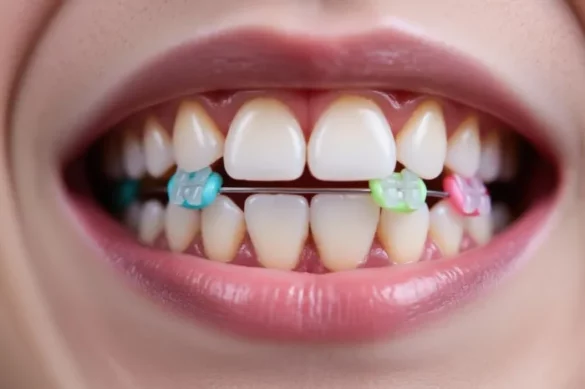
Although orthodontic treatment isn’t always fun, you can personalize your experience. Many orthodontic offices offer colored rubber bands. You can mix and match to match holidays, school spirit, or favorite colors. This small creative element can make the experience more positive.
Risks of Not Wearing Rubber Bands Properly
Not wearing elastics as directed has serious consequences. The most common issue is longer treatment time. Ineffective or inconsistent use can lead to incomplete bite correction, requiring extended wear of braces or additional procedures. You may also risk relapse, where teeth and jaws move back to their original positions after treatment. Responsible rubber band use is the key to a healthy, lasting smile.
Common Dental Problems Corrected with Rubber Bands
Rubber bands are typically used to fix:
- Overbite (upper teeth too far forward)
- Underbite (lower teeth too far forward)
- Crossbite (teeth not properly aligned side to side)
- Open bite (front teeth do not close together)
- Space closure after extractions
Conclusion
Starting to wear rubber bands for braces marks an important step in your orthodontic treatment journey. The timing is unique to every patient and is determined by your orthodontist based on your specific needs and progress. Rubber bands are vital for correcting bite issues that braces alone cannot fix. Wearing them as directed ensures you achieve a healthy, beautiful smile in the shortest possible time. Follow your orthodontist’s instructions closely, be consistent, and ask questions at your appointments to make sure you are on track. With dedication and the right information, wearing rubber bands can be a manageable and even enjoyable part of your treatment.
FAQs
When do most patients start wearing rubber bands with braces?
Most patients begin wearing rubber bands a few months after braces are placed, typically around three to six months into treatment, depending on bite correction needs.
Do all braces patients need rubber bands?
No, not every patient needs rubber bands. They are used primarily for bite correction, so only patients with those issues will need them.
How often should I change my rubber bands?
You should change your rubber bands at least once a day, or more often if instructed by your orthodontist, to maintain effective pressure.
Can I eat with rubber bands on my braces?
It is generally recommended to remove rubber bands while eating. This prevents damage and makes eating more comfortable.
What happens if I do not wear my rubber bands as directed?
Not wearing rubber bands properly can lead to a longer treatment time, incomplete bite correction, and potential future dental problems.