


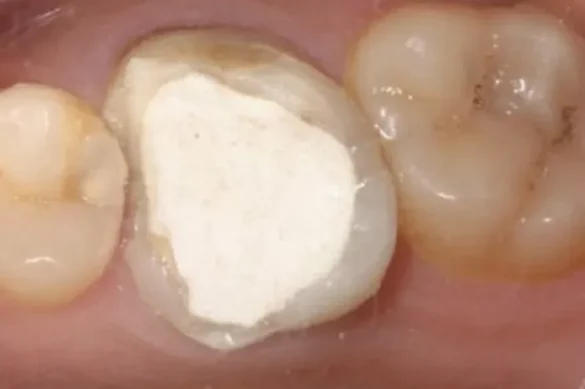
When visiting the dentist, you may hear terms like “cement filling” or “dental cement” mentioned during your treatment. Understanding what cement filling in a tooth is and how it plays a crucial role in dental health can be very beneficial. Cement fillings are widely used in restorative and prosthodontic procedures, providing not just support but also protection to teeth. This article will clearly explain what a cement filling is, the different types, and why dentists use them.
What Is a Cement Filling in Tooth?
A cement filling, also known as dental cement, is a specially-formulated material used by dentists to bond, fill, or seal dental restorations onto the natural tooth. It acts like a dental glue, allowing various dental materials—such as crowns, bridges, inlays, onlays, and even orthodontic appliances—to adhere securely to tooth surfaces. Dental cements can provide either temporary or permanent adhesion, depending on the needs of the procedure and the patient.
The Role of Dental Cement in Tooth Restoration
Dental cement fills the microscopic gap between the tooth structure and the restorative material. This gap, if left empty, could allow bacteria and oral fluids to enter, resulting in decay or failure of the restoration. By sealing this space, dental cement prevents leakage, reduces the risk of secondary caries, and improves the life expectancy of the restoration. It not only keeps the restoration in place but also plays a major part in patient comfort and long-term oral health.
Types of Dental Cement Used in Fillings
Dentists have a variety of dental cements available for different tasks, and each type is chosen based on its unique properties and the specific clinical situation. Common types include:
Zinc Phosphate Cement
This traditional dental cement has been used for many years. It offers strong bonding, especially for metal crowns and orthodontic bands. It sets hard and produces a stable, durable base.
Zinc Polycarboxylate Cement
This cement is known for its gentle effect on the tooth pulp and is suitable for crowns, bridges, and porcelain restorations. It has adhesive properties and is kind to sensitive tissues.
Glass Ionomer Cement
Glass ionomers are popular because they release fluoride, which helps prevent further decay. They easily bond to both tooth structure and metal. Dentists use them for various restorations, including metal and ceramic restorations.
Resin-Modified Glass Ionomer Cement
A newer variant, this cement combines the benefits of glass ionomers with resin materials to create a strong, durable bond, making it ideal for core buildups and crowns.
Zinc Oxide Eugenol Cement
Known for its soothing effect on the dental pulp, zinc oxide eugenol is often chosen for temporary crowns and bridges. It does not bond as strongly as permanent cements, which makes it easy to remove when needed.
Temporary vs Permanent Cement Fillings
Temporary Cement Fillings
Temporary filling materials are used for short-term restorations. For example, if a patient is waiting for a permanent crown to be made, a dentist will use a temporary cement. This allows the crown to be removed easily when the permanent one arrives. Temporary cements are rarely irritating and are often chosen to assess how tissues respond to restorations.
Permanent Cement Fillings
Permanent cements create a strong, lingering bond between the restoration and natural tooth. They fill any tiny spaces, stopping bacteria and saliva from leaking in. Permanent cement is essential for crowns, bridges, and inlays meant to last for many years. These cements harden after placement, keeping the restoration firmly in position.
How Does Cement Filling Work?
The success of cement fillings relies on both the physical and chemical bonding properties of the material. The dentist first prepares the tooth and the restoration. Then, the chosen dental cement is applied to either the tooth, the restoration, or both. Once the restoration (like a crown or inlay) is placed, the cement fills all the small spaces, solidifies, and holds everything securely. This not only offers mechanical support but also ensures biological protection from harmful factors in the mouth.
Indications for Using Cement Fillings
Dentists use cement fillings in a wide range of scenarios:
- Attaching crowns and bridges
- Holding inlays, onlays, and veneers
- Securing orthodontic brackets and bands
- Providing temporary coverage during multi-stage procedures
- Lining cavities under regular fillings for additional protection
These tasks all require a material that can handle chewing forces, resist moisture, and seal against bacteria—qualities present in high-quality dental cements.
Benefits of Cement Fillings in Prosthodontics
Dental cement fillings offer several important benefits in restorative dental care:
- Strong Bonding: They efficiently attach restorations so they do not loosen or fall out under the pressure of regular chewing or speaking.
- Improved Comfort: Proper sealing helps avoid sensitivity and discomfort, increasing patient satisfaction.
- Decay Prevention: The sealed environment reduces the risk of recurrent cavities or decay under restorations.
- Tissue Compatibility: Many dental cements are formulated to minimize irritation and inflammation of the gums and underlying tooth tissues.
- Versatility: They are suitable for a wide range of uses, from temporary solutions to permanent restorations.
Possible Concerns and Limitations
Although cement fillings are essential in modern dentistry, there are some considerations:
- Temporary cements are not designed for long-term use and might not withstand heavy forces.
- Bond strength can be affected if the tooth or restoration is not properly prepared.
- Wear and Solubility: Over time, some cements may wear away or dissolve, possibly requiring re-cementation.
- Technique Sensitivity: Application requires attention and skill from the dentist to ensure successful results.
Caring for Teeth with Cement Fillings
Normal brushing and flossing are essential for maintaining teeth with cement fillings. Patients should avoid biting too hard on hard objects (like ice or very sticky foods) especially during the initial days after placement. Regular dental check-ups help ensure the fillings and restorations remain secure and effective.
The Future of Dental Cement in Prosthodontics
As dental science advances, new dental cements are continually being developed. These may offer stronger bonds, enhanced antibacterial properties, or better aesthetics for tooth-colored restorations. The future holds promise for even longer-lasting and more comfortable dental restorations.
Conclusion
A cement filling in the tooth is a key component in many dental procedures, acting as the glue that ensures lasting bonds, improved comfort, and a well-protected tooth structure. By understanding the essentials and benefits of dental cement, patients can feel confident and informed about their prosthodontic care. Always discuss your options with a qualified dental professional who can recommend the most suitable type of cement for your specific needs.
Frequently Asked Questions
What is the difference between a cement filling and a regular filling?
A cement filling is mainly used to bond and secure dental restorations, while regular fillings (like composite or amalgam) are used to fill cavities caused by decay.
Is a cement filling permanent?
There are both temporary and permanent types. Permanent cement fillings offer a strong, long-term bond, while temporary ones are designed to be removable.
Will I feel pain after getting a cement filling?
Most patients do not feel pain when cement is applied, but mild sensitivity may occur initially, especially if the tooth was heavily prepared.
How long does a cement filling last?
With proper care, permanent dental cement can last many years. Temporary cements are meant for weeks to months only.
Is cement filling safe?
Yes, dental cements are rigorously tested and are safe. Your dentist will select the most appropriate type for your health and situation.