


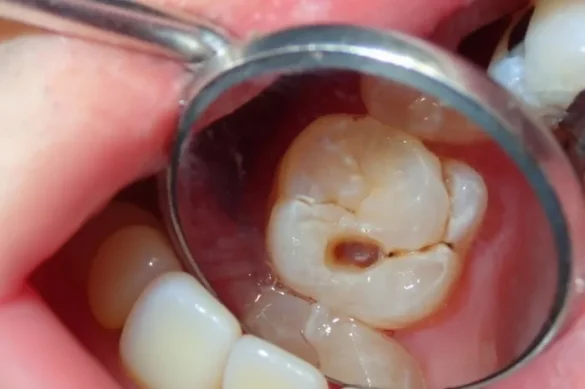
Tooth decay and cavities are common oral health problems that people of all ages experience. Many wonder if cavities will go away on their own or if there is any way for cavities to heal without dental treatments. Understanding the nature of cavities and tooth decay is key to answering this important question.
What Is a Cavity?
A cavity is a permanent hole or damage in a tooth. It starts with the loss of minerals in the tooth’s outer layer, called enamel, due to acids produced by bacteria living in the mouth. These bacteria feed on sugars and produce acids that weaken tooth enamel over time. If left untreated, this process continues and the damage gets deeper into the tooth, eventually forming a cavity.
The Tooth Decay Process
Tooth decay does not happen instantly. It is a gradual process that occurs in several stages:
- Demineralization: When teeth are exposed to acids from food and bacteria, they start losing minerals. This stage might appear as a white spot on the tooth, which means the enamel is weak but not yet broken.
- Enamel Breakdown: If the mineral loss continues, the enamel breaks down further, creating small holes.
- Dentin Involvement: Once the enamel is damaged, the bacteria and acids reach the soft layer underneath, called dentin. At this point, sensitivity or mild pain may occur.
- Pulp and Nerve Damage: If the cavity progresses deeper, it reaches the tooth pulp and damages nerves. This can cause significant pain and even infection.
Can Cavities Go Away on Their Own?
The answer depends largely on the stage of the cavity. In the earliest stage—when demineralization is beginning and only the enamel is affected—the process can sometimes be stopped or even reversed. This is possible by restoring minerals to the tooth through:
- Brushing with fluoride toothpaste
- Using fluoride mouth rinses
- Improving oral hygiene
- Reducing sugary or acidic foods
- Drinking water with fluoride
If these steps are taken early, the enamel can repair itself, and the white spot can sometimes disappear. However, once an actual hole has formed and the enamel has broken down, the damage is permanent. The body cannot regenerate enamel, and the cavity cannot heal by itself. In this case, dental treatment such as a filling is needed to restore the tooth and prevent further damage.
Common Myths About Cavity Reversal
There are several misconceptions about how cavities can heal. Some people think that because tooth pain stops, the cavity has gone away. The reality is that pain can disappear if the tooth’s nerve dies, but the infection and decay continue.
Another common myth is that using certain diets or home remedies can reverse a full-blown cavity. While a diet low in sugar and rich in minerals can slow down the decay process, it cannot fully heal a formed cavity. Good nutrition and oral care may prevent new cavities or stop early demineralization, but they cannot fix holes in the teeth.
Steps to Prevent Cavities
The best way to avoid needing dental treatment is to prevent cavities from forming in the first place. Key steps include:
- Brushing teeth twice a day with a fluoride toothpaste
- Flossing daily to clean between teeth
- Limiting sugary snacks and drinks
- Drinking water, especially if it contains fluoride
- Having regular dental checkups and cleanings
These practices help to remove harmful bacteria, reduce acid attacks, and keep your mouth healthy.
What If You Have a Cavity Already?
If a cavity is small and in the beginning stage, strict oral hygiene and fluoride can help stop it from getting worse. Your dentist may recommend additional treatments like fluoride varnishes or sealants. Most established cavities, however, require a filling or other professional intervention. Delaying treatment allows the decay to spread deeper, increasing the risk of pain, infection, and even tooth loss.
Why Dental Visits Matter
Many people have cavities without obvious symptoms. Pain or sensitivity often does not appear until the decay has reached the nerve or pulp. Regular dental visits allow for early detection and intervention, often before you notice any discomfort. Dentists can identify weak spots, recommend preventive steps, and fill cavities before they become severe.
The Importance of Fluoride
Fluoride is one of the most important tools in fighting cavities. It helps to restore lost minerals and makes teeth more resistant to acid attacks. Community water fluoridation, fluoride toothpastes, mouth rinses, and in-office fluoride treatments all provide valuable protection against decay.
Role of Diet in Cavity Prevention
Diet has a strong link to cavity formation. Sugars and refined carbohydrates provide fuel for bacteria to produce acids. To minimize risk, it is best to:
- Choose water or milk instead of sugary drinks
- Eat fewer sweets, especially between meals
- Increase foods high in calcium, phosphorus, and vitamins that support tooth health
- Limit sticky or chewy snacks that stay on the teeth longer
While a healthy diet cannot reverse a cavity once the enamel is broken, it can strengthen your teeth and reduce future decay risk.
Conclusion
Cavities do not go away on their own. In the earliest stage, before a true cavity develops, the process can sometimes be stopped and the enamel repaired. Once a hole forms in the tooth, only professional dental treatment can fix it. The most effective strategy is preventing cavities from developing by good oral hygiene, fluoride use, a tooth-healthy diet, and regular dental visits. Do not ignore tooth pain or rely on home remedies; professional advice and preventive care are the best ways to protect your smile.
FAQs
Can a cavity heal without a filling?
No, a true cavity that has broken through the enamel cannot heal itself. Only very early demineralization can be reversed, not a formed cavity.
Does the pain from a cavity mean it is getting better?
No. Pain may decrease if the nerve in the tooth dies, but the decay is still progressing and the infection may get worse.
What can I do to prevent cavities?
Brush with fluoride toothpaste, floss daily, limit sugary foods, and see your dentist regularly.
Are there home remedies that cure cavities?
No home remedy can heal a cavity once it has formed. Early enamel damage may be repaired with good care and fluoride, but holes in teeth need professional treatment.