


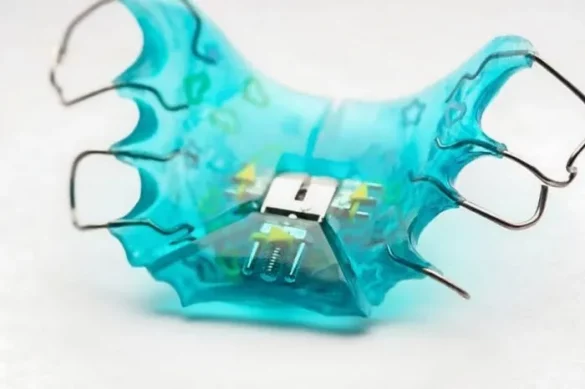
Orthodontic treatment is a significant investment in your smile, providing both functional and aesthetic benefits. But finishing your braces or aligner treatment does not mean your work is done. Many people wonder, “How quickly do your teeth move without a retainer?” The short answer is: much faster than you might expect. Understanding why and how teeth shift after orthodontic treatment is crucial for maintaining your hard-earned results.
Why Do Teeth Need Retainers After Orthodontic Treatment?
Retainers are custom-made devices that help preserve the alignment achieved through braces or clear aligners. When orthodontic appliances are removed, teeth are still at risk of shifting. This is because the bone and soft tissues surrounding the teeth need time to stabilize around their new positions. Without continuous support from a retainer, your teeth remember their original positions and can start moving back. This process is called relapse, and it can undermine months or even years of orthodontic progress.
How Quickly Can Teeth Move Without a Retainer?
Many patients underestimate the speed of dental relapse. In some cases, slight changes can be felt in a matter of hours. For example, some people notice that their retainer feels tighter or does not fit as well after only 30 minutes to an hour of not wearing it. In general, tooth movement can begin within a week of not wearing a retainer, with more pronounced changes occurring over weeks and months. The initial movement is often subtle—a small gap, a slight overlap, or minor crowding—but over time, these changes can become more noticeable and more difficult to correct.
Individual Differences in Tooth Movement
Not everyone’s teeth move at the same speed. Several factors influence how quickly teeth can relapse:
- Age: Younger individuals, especially those whose jaws are still growing, may experience faster shifts.
- Genetics: Some people naturally have more mobile teeth or softer bone structures, making tooth movement easier.
- Original Alignment: Teeth that were severely misaligned before treatment may be more likely to shift rapidly.
- Duration and Type of Treatment: The complexity and length of your orthodontic treatment can affect stability.
What Does Tooth Movement Feel or Look Like?
Initially, you may not notice dramatic changes. Some signs that your teeth are starting to shift include:
- The retainer feels tight or uncomfortable or does not fit at all
- Small gaps reappearing between teeth
- Slightly crooked or overlapping teeth
If these changes occur, it’s important not to panic. However, quick action is necessary to halt further relapse.
Common Reasons for Not Wearing a Retainer
Life can be hectic, and there are times you might forget or choose not to wear your retainer. Common reasons include discomfort, inconvenience when eating or socializing, or simply forgetting. Even skipping your retainer for a single night can be enough for your teeth to begin shifting. The longer you go without a retainer, the more difficult it will be to correct the relapse without further treatment.
What Should You Do If You Notice Shifting?
If your retainer feels tighter than usual, or you see movement in your teeth:
- Resume wearing your retainer as much as possible. Sometimes, consistent wear can move your teeth back into alignment, especially if the relapse is minor.
- Contact your orthodontist. If you cannot fit your retainer or notice significant movement, a professional should evaluate your situation. Minor shifts might be reversible, but bigger changes could require additional treatment.
How to Prevent Teeth Movement After Orthodontic Treatment
Wear Retainers as Instructed
Orthodontists typically recommend wearing your retainer full-time for several months after treatment, then transitioning to nightly wear. This routine helps hold your teeth in place while your mouth adjusts. It’s essential to follow your orthodontist’s instructions and not deviate, even for a few days.
Develop a Routine
Treat your retainer like any essential habit. Brush your teeth, floss, and put in your retainer at the same time each day. Always store your retainer in a case to avoid accidental loss or damage. Being consistent is the key to long-term retention.
Maintain Good Oral Hygiene
Healthy gums and bones support steady teeth. Practice excellent oral hygiene by brushing and flossing regularly and visiting your dentist for check-ups. Avoiding gum disease and inflammation helps ensure your teeth remain stable.
Monitor for Changes
Stay alert for any discomfort or new gaps, even if you are diligent. If you notice differences, act quickly—worn retainers can sometimes correct small shifts if caught early.
The Long-Term Role of Retainers
For many, retainers are not just a temporary measure. Lifelong, nightly retainer use is often recommended to ensure your smile remains aligned. Our mouth is a living system, and teeth can continue to move as we age, even decades after orthodontic treatment. Retainers are your best tool for defending against this natural tendency.
What Happens If You Stop Wearing Your Retainer Altogether?
If you stop wearing your retainer entirely, gradual but consistent relapse is almost guaranteed. Over months or years, teeth can return to their pre-treatment positions, and all your hard work may be lost. In severe cases, additional orthodontic treatment may become necessary, which can be costly and time-consuming. Restarting with a retainer after significant relapse is often not effective, so prevention is better than correction.
Conclusion
Teeth can begin to move surprisingly quickly without the stabilizing influence of a retainer. While changes may be subtle at first, neglecting retainer use can eventually undo much of the progress achieved with braces or aligners. No matter how confident you are in your smile post-treatment, your retainer is essential for lasting results. Consistency, good oral care, and prompt professional advice at the first sign of shifting will help keep your teeth straight and your investment protected for years to come.
Frequently Asked Questions
How fast can my teeth start moving if I forget my retainer?
Some people notice tightness in their retainer in as little as a few hours, and mild shifts can start within a week of non-use.
Can my teeth shift back to their original positions?
Yes, especially if retainers are not worn over weeks or months. Severe relapse may require new orthodontic treatment.
Is it ever too late to start wearing my retainer again?
If you can still fit your retainer, use it immediately. If not, see your orthodontist—minor shifts can sometimes be reversed, but larger movements may need professional intervention.
How long should I wear my retainer each day?
Initially, full-day wear is recommended. After a period set by your orthodontist (often several months), you can shift to nightly wear—but lifelong usage is advised.
Can I skip my retainer for a night or two?
Even short periods without your retainer can allow minor movement. It is not recommended to skip; consistency is essential for stable results.