


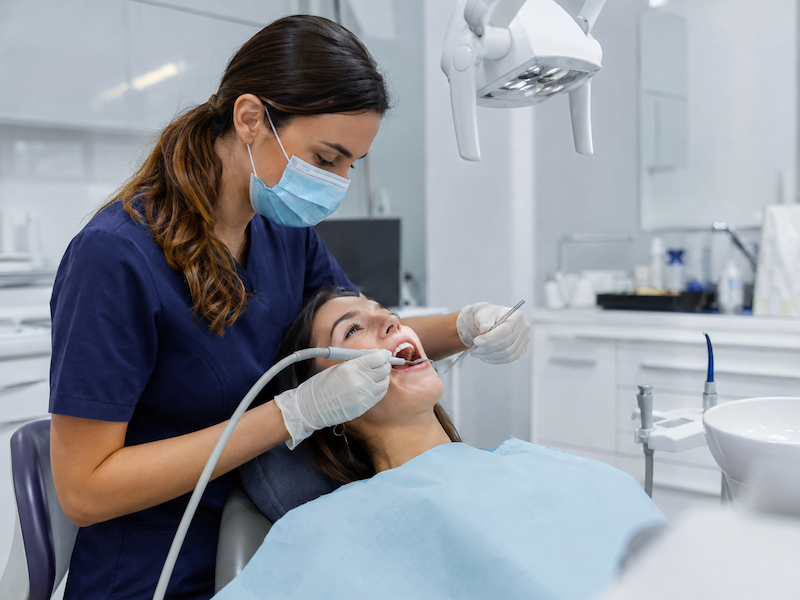
Why Are So Many People Afraid of Professional Teeth Cleaning?
Professional teeth cleaning is a common dental procedure. However, many people still feel afraid of it. Some worry that cleaning will make their teeth loose. Others think it may hurt the enamel. Also, some people believe brushing every day is enough.
In fact, professional teeth cleaning does not damage healthy teeth when a trained dental professional performs it correctly. Instead, it removes plaque, tartar, and stains that daily brushing cannot fully clean.
Moreover, dental cleaning helps dentists find early signs of gum disease, cavities, and other oral problems. Therefore, it is not only about making teeth look cleaner. It also helps protect oral health.
Professional teeth cleaning is especially important for people with bleeding gums, swollen gums, bad breath, visible tartar, or orthodontic appliances. As a result, regular cleaning can reduce future dental risks.
Why Brushing Alone Is Not Enough
Brushing your teeth every day is very important. However, brushing alone cannot clean every area of the mouth. For example, plaque can easily stay between teeth, behind molars, and along the gumline.
At first, plaque is soft and sticky. It contains bacteria, food debris, and saliva proteins. If you remove it early, it causes less harm. However, if plaque stays on the teeth for too long, it can harden into tartar.
Once tartar forms, a toothbrush cannot remove it. Floss also cannot fully remove hardened tartar. Therefore, professional tools are needed.
In addition, people with crowded teeth, braces, bridges, or implants may have more cleaning blind spots. These areas collect plaque more easily. As a result, tartar may build up faster.
So, daily brushing is necessary, but it is not always enough. Professional dental cleaning works together with home care.
The Three Main Enemies of Oral Health
There are three common enemies of oral health: stains, plaque, and tartar.
First, stains often come from coffee, tea, red wine, tobacco, or dark-colored foods. These stains usually stay on the tooth surface. Although they may not always mean disease, they can affect the appearance of your smile.
Second, plaque is a soft bacterial film. It forms on teeth every day. If plaque is not cleaned well, it can irritate the gums. Then the gums may become red, swollen, or easy to bleed.
Third, tartar is hardened plaque. It often appears near the gumline. It may look yellow, brown, or black. Because tartar has a rough surface, more bacteria can attach to it.
Therefore, tartar can make gum inflammation worse. Over time, it may increase the risk of gum disease.
Professional cleaning removes these harmful deposits. As a result, it helps keep the mouth cleaner and healthier.
What Happens During Professional Teeth Cleaning?
At many dental clinics, ultrasonic scaling is commonly used for dental cleaning. This tool uses high-frequency vibration to break tartar into small pieces. Meanwhile, water spray helps wash away plaque, tartar, and debris.
The dentist or hygienist usually cleans around the tooth surface and gumline. In some areas, hand instruments may also be used. After scaling, the teeth may be polished to make the surface smoother.
However, the ultrasonic scaler does not “grind down” healthy teeth when used correctly. It mainly targets tartar and buildup on the tooth surface.
In addition, professional technique matters. A trained dental professional knows how much pressure to use. They also know how long to stay on each area. Therefore, choosing a qualified dental clinic is very important.
If a patient has severe gum disease, simple cleaning may not be enough. In that case, the dentist may recommend deeper periodontal treatment.
Will Dental Cleaning Make Teeth Loose?
Many patients worry that dental cleaning will make their teeth loose. However, this is a misunderstanding. Professional teeth cleaning does not loosen healthy teeth.
Sometimes, teeth may feel more loose after cleaning. This often happens when a patient already has gum disease and heavy tartar buildup. Before cleaning, tartar may surround the teeth like a hard shell. It may create a false feeling of support.
After cleaning, the tartar is removed. Also, swollen gums may start to shrink as inflammation improves. As a result, the real condition of the teeth becomes easier to notice.
Therefore, cleaning does not create looseness. It may simply reveal a problem that already existed.
In fact, regular dental cleaning can help prevent teeth from becoming loose. It removes bacteria and tartar that damage the gums and supporting bone. Therefore, it helps protect teeth in the long term.
Why Do Teeth Feel Sensitive After Cleaning?
Some people feel tooth sensitivity after dental cleaning. This is common, especially when there is heavy tartar near the gumline.
One reason is that tartar may cover exposed root surfaces. Although this seems like protection, it is not healthy protection. After the tartar is removed, the root surface may suddenly contact air, water, or food. Therefore, the teeth may feel cold, sore, or sensitive.
Another reason is gum inflammation. When inflamed gums begin to heal, they may shrink slightly. This can make sensitive areas more exposed.
However, this sensitivity usually improves within a few days to two weeks. During this time, patients can use desensitizing toothpaste. They should also avoid very cold, hot, sour, or spicy foods.
If the pain is severe or lasts for a long time, the patient should visit the dentist again. Sometimes, cavities, cracked teeth, or gum recession may also cause sensitivity.
Why Do Gums Bleed During Dental Cleaning?
Bleeding during dental cleaning can make people nervous. However, bleeding often means the gums already have inflammation.
Healthy gums usually do not bleed easily. But when plaque and tartar irritate the gums, the tissue becomes red, swollen, and fragile. Therefore, it may bleed during brushing, flossing, or professional cleaning.
In this situation, cleaning is not the cause of the gum problem. Instead, it helps remove the irritants that caused the inflammation.
After professional cleaning and better home care, gum bleeding often improves. However, patients should continue brushing gently. They should not stop brushing just because the gums bleed.
Also, frequent gum bleeding should not be ignored. It may be a sign of gingivitis or periodontitis. Therefore, patients should ask a dentist for an exam if bleeding happens often.
Early treatment is usually easier, faster, and less expensive than treating advanced gum disease.
Who Should Get Dental Cleaning Soon?
Some people should schedule dental cleaning as soon as possible.
First, people with bleeding gums need attention. Bleeding while brushing or flossing often means gum inflammation.
Second, people with swollen gums should also visit a dentist. Swelling may come from plaque, tartar, food impaction, or infection.
Third, people with bad breath may need professional cleaning. Bad breath can come from bacteria between teeth, around the gumline, or on the tongue.
Fourth, people who see yellow, brown, or black deposits near the gums should not wait. These deposits may be tartar. Since brushing cannot remove tartar, professional cleaning is needed.
Fifth, smokers and people who drink tea or coffee often may need regular cleaning. Stains and plaque can build up faster in these groups.
Therefore, dental cleaning is not only for people with serious symptoms. It is also a preventive step for people who want healthier teeth and gums.
Dental Cleaning Before Pregnancy
People who are planning pregnancy should pay attention to oral health. However, it is incorrect to say that dental cleaning increases miscarriage risk. This statement is misleading.
In fact, gum health matters during pregnancy. Hormone changes can make the gums more sensitive. Therefore, plaque may cause stronger gum reactions. Some pregnant patients may notice gum swelling, bleeding, or tenderness.
Because of this, it is wise to have a dental check before pregnancy. If tartar, cavities, or gum inflammation exist, the dentist can treat them earlier.
However, pregnant patients should not avoid dental care completely. Necessary dental care can still be important during pregnancy. Patients should tell the dentist that they are pregnant. They should also share their medical history and doctor’s advice.
In short, pregnancy planning should include oral health planning. A clean and healthy mouth can make pregnancy more comfortable.
Dental Cleaning Before and During Orthodontic Treatment
People who plan to wear braces should also check their oral health first. Braces make cleaning more difficult. Food debris and plaque can easily collect around brackets, wires, and attachments.
Therefore, patients should have a periodontal check before orthodontic treatment. If tartar or gum inflammation exists, cleaning should be done first.
During orthodontic treatment, oral hygiene becomes even more important. Patients may need special toothbrushes, interdental brushes, water flossers, or orthodontic floss.
However, even with good tools, some areas are still hard to clean. As a result, regular dental cleaning during orthodontic treatment can help.
It can reduce plaque buildup, gum swelling, bad breath, and white spots on teeth. Therefore, orthodontic patients should not wait until the braces come off to care about cleaning.
Good oral hygiene makes orthodontic treatment safer and more successful.
How Often Should Adults Get Dental Cleaning?
For many healthy adults, dental cleaning every six to twelve months may be suitable. However, the best schedule depends on each person’s oral condition.
Some people build tartar quickly. Others may have gum disease, diabetes, dry mouth, smoking habits, braces, implants, or dental bridges. These people may need cleaning more often.
For example, patients with periodontal disease may need maintenance every three to six months. This helps control bacteria and reduce inflammation.
On the other hand, people with excellent home care and low dental risk may need fewer cleanings. Still, they should visit the dentist regularly for exams.
Therefore, there is no perfect schedule for everyone. A dentist should decide based on gum health, tartar buildup, medical history, and daily cleaning habits.
Regular dental cleaning is usually easier than treating advanced dental problems later. Prevention saves time, money, and discomfort.
Why Choosing a Professional Dental Clinic Matters
Some people think dental cleaning is a small procedure. Therefore, they may believe any clinic can do it the same way. However, this is not true.
Dental cleaning requires proper technique. If the operator uses too much pressure, stays too long on one area, or uses the scaler incorrectly, the patient may feel unnecessary discomfort.
A qualified dental clinic follows proper cleaning steps. It also uses safe instruments and infection control. More importantly, a professional dentist or hygienist can judge the patient’s real gum condition.
Not every patient needs the same type of cleaning. Some people only need routine cleaning. Others may need periodontal treatment. Some may need cavity treatment, X-rays, or gum evaluation.
Therefore, choosing a professional dental clinic is important. Safe cleaning protects the teeth, gums, and overall oral health.
Professional teeth cleaning may look simple, but it should never be treated casually.
What Should Patients Do After Dental Cleaning?
After dental cleaning, some patients may feel mild sensitivity or gum tenderness. This is usually temporary.
Patients should avoid very cold, hot, sour, spicy, or hard foods if their teeth feel sensitive. They can also use desensitizing toothpaste if needed.
However, patients should not stop brushing. Gentle brushing helps the gums recover. A soft-bristled toothbrush is a good choice.
In addition, patients should continue cleaning between the teeth. Floss, interdental brushes, or water flossers may help. The dentist can recommend the right tool based on the patient’s teeth.
Patients should also follow the dentist’s recall schedule. One cleaning can help, but regular maintenance gives better long-term results.
If pain, bleeding, swelling, or sensitivity becomes severe, patients should contact the dental clinic. Early follow-up can prevent small problems from becoming serious.
Common Myths About Dental Cleaning
There are many myths about dental cleaning.
One common myth says cleaning removes enamel. In fact, professional cleaning removes plaque, tartar, and surface stains when performed correctly. It does not aim to remove healthy enamel.
Another myth says cleaning creates gaps between teeth. However, tartar and swollen gums may hide spaces. After cleaning, the real spaces may become visible. Therefore, cleaning does not create gaps.
Some people also think bleeding means the dentist hurt the gums. In many cases, bleeding means the gums already have inflammation.
Another myth says young people do not need cleaning. However, tartar and gum problems can happen at many ages.
Therefore, patients should not let fear or rumors decide their oral care. They should ask a dentist and understand the facts.
Correct dental knowledge can reduce fear. It can also help people make better health decisions.
Conclusion
Professional teeth cleaning is not something to fear. It removes plaque, tartar, and stains that daily brushing cannot fully remove. More importantly, it helps prevent gum disease and protect long-term oral health.
Although some people feel sensitivity after cleaning, this usually improves within a short time. Although gums may bleed during cleaning, this often means inflammation already exists.
Therefore, people with bleeding gums, swollen gums, bad breath, visible tartar, braces, or pregnancy plans should pay more attention to dental cleaning.
However, patients should choose a qualified dental clinic. Proper technique and professional judgment make the process safer and more comfortable.
In the end, professional teeth cleaning is a smart preventive choice. It keeps the mouth cleaner, supports healthier gums, and helps protect natural teeth for many years.
Summarize
Professional teeth cleaning helps remove plaque, tartar, and surface stains that daily brushing cannot fully clean. It does not loosen healthy teeth or damage enamel when performed correctly. Temporary sensitivity after cleaning is common, especially when heavy tartar has covered sensitive root areas. People with bleeding gums, swollen gums, bad breath, braces, visible tartar, or pregnancy plans should pay more attention to oral checkups and cleaning. Choosing a qualified dental clinic is important because proper technique protects both comfort and safety.