


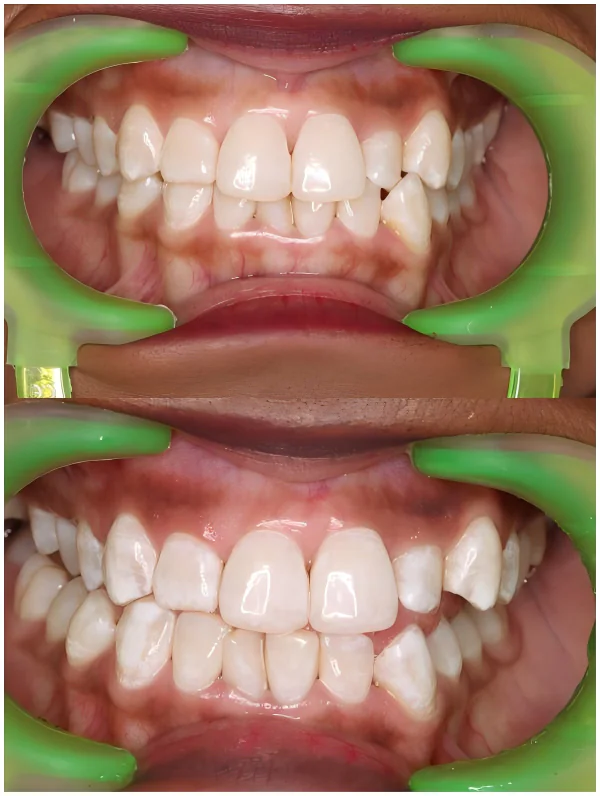
What Is Laser Teeth Whitening?
Laser teeth whitening is a professional dental treatment that helps brighten stained or yellow teeth in a clinic. It usually combines whitening gel with a special light or laser system. The dentist applies the gel to the tooth surface. Then, the light helps activate the whitening process.
In simple terms, the treatment aims to break down stains inside the enamel. These stains often come from coffee, tea, wine, smoking, or natural aging. However, not every stain responds in the same way.
Many patients choose this treatment because it is fast. In most cases, one visit can show visible results. Also, a dentist checks the mouth first. This step matters because gum disease, cavities, or tooth sensitivity may affect the treatment plan.
Therefore, laser whitening is not just a beauty treatment. It is also a dentist-guided procedure. It should match your oral condition, tooth color, and smile goals.
Why Patients Choose In-Clinic Whitening
Many people want a brighter smile before travel, work events, weddings, or photos. Therefore, in-clinic whitening has become popular. It offers faster results than many home products.
Also, patients often feel safer with dentist supervision. Online whitening kits may look easy. However, some products may irritate the gums or cause strong sensitivity. A dental clinic can control the gel amount, protect the gums, and monitor the result.
Common reasons patients choose clinic whitening include:
- Faster visible shade improvement
- Better gum protection
- More even whitening results
- Professional advice before treatment
- Lower risk from incorrect use
In addition, many patients prefer a natural white smile now. They do not always want an extremely bright look. Instead, they want teeth that look clean, healthy, and realistic. So, dentists often focus on balanced shade improvement rather than an artificial white color.
How the Treatment Usually Works
First, the dentist checks your teeth and gums. This exam helps find cavities, gum inflammation, tartar, cracks, or exposed roots. If these problems exist, the dentist may suggest treatment before whitening.
Next, the dentist may clean the tooth surface. This helps remove plaque and surface stains. As a result, the whitening gel can work more evenly.
Then, the dentist protects your lips and gums. A barrier may cover the gum line. After that, the whitening gel goes onto the teeth. The clinic may use a laser or LED whitening system to activate the gel.
During the visit, the dentist may repeat the gel application several times. Each round may last several minutes. Finally, the dentist removes the gel and checks the final shade.
The full appointment often takes about 60 to 90 minutes. However, timing can vary by clinic, system, and patient condition.
What Results Can You Expect?
Results vary from person to person. Some patients see a clear change after one visit. Others may need more than one session. The original tooth shade, stain type, enamel condition, and oral habits all affect the final result.
For example, yellow stains often respond better than gray or brown discoloration. Also, stains from coffee or tea may improve more easily than internal discoloration from medicine or trauma.
In general, patients may expect:
- A brighter tooth shade
- A cleaner smile appearance
- Reduced surface discoloration
- More confidence in photos
- A natural-looking improvement
However, whitening does not change the color of crowns, veneers, fillings, or bonding. Therefore, patients with visible restorations should discuss this first. Otherwise, natural teeth may become whiter while restorations stay the same color.
Is Laser Whitening Safe?
Laser whitening can be safe when a trained dental professional performs it. The dentist protects the gums and controls the whitening gel. Also, the clinic checks whether your teeth are suitable before treatment.
However, safety depends on proper use. Strong whitening products can cause gum burns, tooth sensitivity, or enamel irritation if used incorrectly. Therefore, professional guidance matters.
Patients should tell the dentist if they have:
- Sensitive teeth
- Gum recession
- Cracked teeth
- Cavities
- Gum bleeding
- Recent dental work
- Pregnancy or medical concerns
In addition, whitening should not replace dental treatment. If tooth discoloration comes from decay or infection, whitening will not solve the real problem. So, a dental check-up should come first.
Will It Cause Sensitivity?
Some patients feel tooth sensitivity after whitening. This is common. However, it usually improves within a few days. The feeling may appear when drinking cold water or breathing cold air.
Sensitivity happens because whitening ingredients can pass through enamel and reach tiny channels in the tooth. As a result, the nerves may react for a short time.
To reduce sensitivity, dentists may suggest:
- Desensitizing toothpaste before treatment
- Fluoride treatment after whitening
- Shorter whitening time
- Lower gel strength
- Avoiding very cold drinks for 24 hours
- Avoiding acidic foods for a short period
Also, patients with gum recession may need extra care. Exposed roots do not whiten like enamel. They may also feel more sensitive. Therefore, the dentist should check these areas before treatment.
Who Is a Good Candidate?
A good candidate usually has healthy teeth and gums. The person may have stains from food, drinks, smoking, or aging. Also, the patient should want a realistic improvement rather than a perfect “paper white” shade.
This treatment may suit people who want:
- A brighter smile before an event
- Fast clinic-based results
- Professional shade guidance
- Safer whitening than random online kits
- A natural cosmetic improvement
However, some patients may need other options first. For example, patients with active cavities should treat decay before whitening. Patients with gum disease should control inflammation first. Also, patients with deep internal stains may need veneers or bonding instead.
Therefore, the best first step is a dental exam. A dentist can explain whether whitening will meet your expectations.
Who Should Be Careful?
Not everyone should start whitening right away. Some people need dental treatment before cosmetic whitening. Others may need a different plan.
Patients should be careful if they have:
- Untreated cavities
- Severe tooth sensitivity
- Gum disease
- Heavy tartar buildup
- Cracked enamel
- Many front tooth restorations
- Very thin enamel
- White spots on teeth
In addition, teenagers may need special advice. Their teeth can be more sensitive. Pregnant or breastfeeding patients should also ask their dentist first.
Also, patients with unrealistic expectations may feel disappointed. Whitening can brighten natural teeth. However, it cannot reshape teeth, close gaps, or fix crooked teeth. Therefore, it works best when the main concern is tooth color.
Laser Whitening vs Home Whitening Kits
Home whitening kits can help some patients. However, they usually work more slowly. They may also give uneven results if the tray does not fit well.
In contrast, clinic whitening offers more control. The dentist can isolate the gums, apply the gel evenly, and check the tooth shade during treatment. Also, the gel strength in clinics may differ from that of over-the-counter products.
Here is a simple comparison:
| Option | Speed | Supervision | Best For |
|---|---|---|---|
| Clinic whitening | Fast | Dentist-guided | Quick visible results |
| Custom take-home trays | Medium | Dentist-guided | Gradual whitening |
| Store-bought strips | Slow to medium | Self-use | Mild stains |
| Online kits | Varies | Usually none | Higher risk if unregulated |
Therefore, the best option depends on your teeth, budget, timeline, and sensitivity level.
Which Is Better, Bleaching or Laser Teeth Whitening?
Bleaching and laser teeth whitening are closely related, but they are not exactly the same. Bleaching means using whitening chemicals to lighten tooth color. Laser whitening usually means the dentist uses a whitening gel plus a light or laser system in the clinic.
So, which is better?
The answer depends on the patient. Traditional bleaching with custom trays may suit people who want gradual results. It may also help with maintenance after clinic treatment. However, in-clinic laser whitening may suit people who want faster results under dentist supervision.
In many cases, dentists combine both methods. First, the patient completes in-office whitening. Then, custom trays help maintain the shade at home.
Therefore, “better” does not mean one method wins for everyone. The better choice is the one that matches your oral health, stain type, comfort level, and goal shade.
How Long Do Results Last?
Whitening results are not permanent. However, they can last for months or longer with good care. Daily habits play a big role.
Coffee, tea, red wine, curry, soy sauce, and smoking can stain teeth again. Therefore, patients who often consume these may need maintenance sooner.
To keep results longer, patients can:
- Brush twice a day
- Floss daily
- Rinse after coffee or tea
- Avoid smoking
- Schedule regular dental cleaning
- Use a straw for dark drinks
- Follow dentist-approved touch-up plans
Also, professional cleaning helps. It removes plaque and tartar that make teeth look dull. As a result, the whitening effect can look fresher.
What To Do Before Treatment
Before whitening, patients should prepare the mouth. A clean and healthy mouth often gives better results.
Helpful steps include:
- Book a dental check-up
- Treat cavities first
- Control gum bleeding
- Remove tartar if needed
- Discuss sensitivity history
- Share any dental restoration details
- Ask about realistic shade goals
Also, bring up your lifestyle. If you drink coffee daily, tell the dentist. If you need whitening before an event, mention the date. This helps the dentist choose the right timing.
In addition, avoid starting random whitening products before your visit. They may irritate your gums or increase sensitivity. Instead, let the dentist create a safer plan.
Aftercare Tips for Better Results
After whitening, teeth may absorb stains more easily for a short time. Therefore, many dentists suggest avoiding dark foods and drinks for 24 to 48 hours.
Good aftercare includes:
- Avoid coffee, tea, and red wine at first
- Avoid smoking
- Choose lighter foods for one or two days
- Use gentle toothpaste
- Avoid very cold drinks if sensitive
- Follow the dentist’s instructions
- Keep regular dental cleaning appointments
Also, do not overuse whitening products. More whitening does not always mean better results. In fact, over-whitening may increase sensitivity and make teeth look unnatural.
Therefore, maintenance should be planned. A dentist can suggest safe touch-up timing based on your tooth shade and habits.
Common Myths About Whitening
Many patients hear confusing claims about whitening. However, not all of them are true.
Myth 1: Whitening damages every tooth.
Fact: Professional whitening can be safe for suitable patients.
Myth 2: Results look fake.
Fact: Dentists can choose a natural shade goal.
Myth 3: Whitening works on crowns.
Fact: Crowns, veneers, and fillings do not whiten.
Myth 4: One session lasts forever.
Fact: Food, drinks, and smoking can cause stains again.
Myth 5: Stronger gel is always better.
Fact: Stronger products may increase sensitivity and gum irritation.
Therefore, patients should avoid simple online claims. A dental exam gives better answers than marketing promises.
Why Choose a Dental Clinic for Whitening?
A dental clinic offers more than whitening gel. It also offers diagnosis, safety control, and personalized advice. This is important because tooth color can change for many reasons.
For example, stains may come from plaque, tartar, enamel wear, decay, trauma, or old dental work. These issues need different solutions. Whitening only helps some of them.
A clinic can also protect soft tissue during treatment. In addition, the dentist can stop or adjust the procedure if sensitivity appears.
For international patients, clinic-based whitening may also fit into a broader dental plan. For example, patients may combine cleaning, examination, whitening, or smile consultation during one visit.
As a result, the treatment becomes more predictable and more comfortable.
Summarize
Laser teeth whitening is a fast in-clinic option for people who want a brighter smile with professional guidance. It can reduce many common stains and improve smile appearance in one visit. However, results depend on tooth condition, stain type, and daily habits.
For best results, patients should start with a dental exam. Then, the dentist can check gum health, sensitivity, restorations, and shade goals. Also, proper aftercare helps the result last longer.
In short, laser teeth whitening works best when patients want safe, natural-looking brightness instead of extreme whiteness. With the right plan, it can be a useful part of modern cosmetic dental care.