


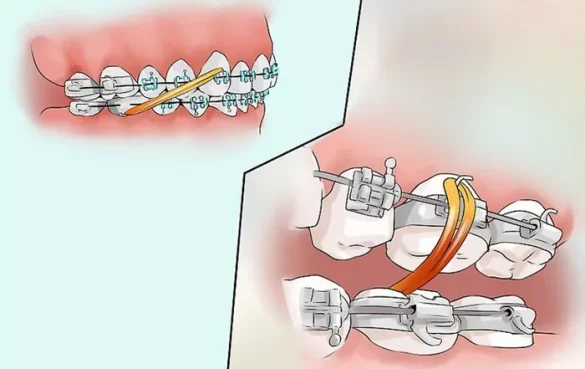
Dental treatments often involve different methods and techniques, depending on the specific issue you’re facing. If you recently visited your dentist and noticed rubber bands placed between your teeth, you may be wondering why they were used. In this article, we will explore the reasons why your dentist might have used rubber bands between your teeth, how they work, and what benefits they offer for your overall dental health.
What Are Rubber Bands in Dentistry?
Rubber bands, in a dental context, are small elastic bands used for various orthodontic purposes. They are commonly used in orthodontics to help move teeth into the desired position. While they may seem simple, rubber bands play an important role in aligning your teeth, improving bite alignment, and enhancing the overall results of your treatment.
Common Reasons for Using Rubber Bands Between Teeth
1. To Correct Bite Issues (Malocclusion)
One of the most common reasons for placing rubber bands between your teeth is to correct a malocclusion, which is a misalignment of the teeth or jaws. There are different types of malocclusion, such as overbite, underbite, and crossbite. Rubber bands are used to help adjust the position of the upper and lower teeth in relation to each other, ensuring a better bite alignment.
2. To Move Teeth into Proper Position
Orthodontic treatments often require the movement of teeth to make more space or to correct alignment. Rubber bands help apply gentle pressure to the teeth over time, guiding them into the correct positions. This method is often used in conjunction with braces and other dental appliances to achieve optimal results.
3. To Help with Spacing Issues
Rubber bands can also be used to close gaps between teeth. If you have extra space in your mouth, your dentist may place rubber bands to help move the teeth closer together. This method is more common in patients with braces who need additional movement to align their teeth properly.
4. To Adjust Jaw Alignment
In some cases, rubber bands are used to correct jaw alignment issues. If your jaw is not properly aligned, your dentist may use rubber bands to gently move the jaws into better alignment. This can help alleviate issues such as temporomandibular joint (TMJ) problems and can also improve your bite function.
How Do Rubber Bands Work in Orthodontics?
Rubber bands work by applying pressure to the teeth and jaws. This pressure is intended to gradually move teeth into their ideal positions. The bands are typically worn in a specific pattern as prescribed by the dentist or orthodontist. Depending on the treatment plan, you may be instructed to wear the bands for certain periods throughout the day or night.
Elastic Force and Tooth Movement
The main principle behind the use of rubber bands is applying elastic force to the teeth. The rubber bands are designed to exert a continuous, gentle force that helps move the teeth in the desired direction. Over time, this force helps reshape the bone and tissues surrounding the teeth, leading to permanent adjustments.
Different Types of Rubber Bands Used
There are several types of rubber bands used in orthodontics. Some common examples include:
- Inter-Arch Bands: These bands connect the upper and lower teeth and are used to adjust bite issues such as overbites or underbites.
- Intra-Arch Bands: These bands are placed between teeth in the same arch and are typically used to close gaps or spaces between teeth.
- Boxing Bands: These are placed around the teeth in a square or rectangular shape to apply pressure in a specific direction.
Benefits of Rubber Bands Between Teeth
1. Enhanced Orthodontic Treatment Results
Using rubber bands can significantly improve the outcome of orthodontic treatments, helping achieve better tooth and jaw alignment. The pressure applied by the bands accelerates tooth movement and enhances the effectiveness of braces or other orthodontic devices.
2. Reduces the Duration of Treatment
By utilizing rubber bands effectively, your orthodontist may be able to speed up the process of alignment. This means that treatment can be completed in a shorter period, leading to fewer visits to the dentist and faster results.
3. Improved Function of Bite
Correcting bite issues can help improve the overall function of your teeth, making it easier to chew, speak, and maintain oral health. When the upper and lower teeth align properly, it also reduces wear on the teeth and minimizes the risk of developing other dental problems, such as jaw pain or TMJ disorders.
What to Expect When Wearing Rubber Bands
1. Instructions from Your Dentist or Orthodontist
Your dentist will provide specific instructions on how to wear and care for your rubber bands. It’s important to follow these instructions closely to ensure the bands are effective. In most cases, you will be told how many hours a day you need to wear the bands and whether or not you need to replace them regularly.
2. Discomfort and Adjustment Period
Wearing rubber bands can cause some initial discomfort, especially when they are first applied or adjusted. This discomfort is normal and usually subsides as your teeth and mouth adjust to the pressure. Over-the-counter pain relievers can help manage any soreness, but always consult your dentist if the pain persists.
3. Maintenance and Replacement
Rubber bands should be replaced regularly to maintain their effectiveness. Your dentist may provide you with a set of new bands or instruct you on how to replace them yourself. Failure to replace the bands on time can affect the progress of your treatment and may delay the expected results.
Common Questions About Rubber Bands
1. Can I Eat or Drink with Rubber Bands?
It’s best to remove the rubber bands when eating or drinking. This will help prevent the bands from getting damaged or becoming dirty. After eating, simply replace the bands as instructed by your dentist.
2. What Happens If I Don’t Wear My Rubber Bands?
If you don’t wear your rubber bands as instructed, your orthodontic treatment may take longer than expected, and your teeth may not move as efficiently. It’s important to wear the bands consistently to achieve the desired results.
3. Are There Any Risks with Wearing Rubber Bands?
Rubber bands are generally safe when used as directed by your dentist or orthodontist. However, improper use can lead to discomfort or delayed treatment. It’s essential to follow the care instructions closely to avoid any potential issues.
Conclusion
Rubber bands are a common and effective tool in orthodontics, used to help align teeth, correct bite issues, and improve overall dental health. By applying gentle, consistent pressure, rubber bands can accelerate treatment and provide a more comfortable, efficient process. If your dentist has recommended using rubber bands, it’s likely to improve the outcome of your treatment, leading to better long-term oral health.