


A straight smile is often associated with confidence, oral health, and aesthetic appeal. While braces have long been the standard treatment for misaligned teeth, many people now seek ways to achieve a straighter smile without the discomfort or appearance of traditional metal braces. Recent advances in orthodontics and cosmetic dentistry provide various options tailored to individual needs, offering effective alternatives without compromising dental safety.
Why Straight Teeth Matter
Straight teeth do more than create a beautiful smile. Proper alignment contributes to better oral hygiene, reduced risk of tooth decay, healthier gums, and improved chewing and speech. Misalignment can cause crowding, uneven tooth wear, headaches, and jaw pain.
Common Reasons to Avoid Braces
Traditional braces, while effective, may not suit everyone. Reasons people avoid them include:
- Concerns about appearance, especially for adults
- Discomfort during treatment
- Dietary limitations
- Complicated cleaning routines
- Lengthy treatment times
These drawbacks fuel demand for alternative solutions.
Are At-Home Quick Fixes Safe?
Some products claim to reposition teeth at home rapidly, such as rubber bands or DIY aligners. However, these approaches carry significant risks. Attempting to move teeth without dental supervision may cause root damage, gum injury, misalignment, and even tooth loss. Dental experts strongly recommend against unapproved at-home corrective methods.
Professional Alternatives to Braces
clear aligners
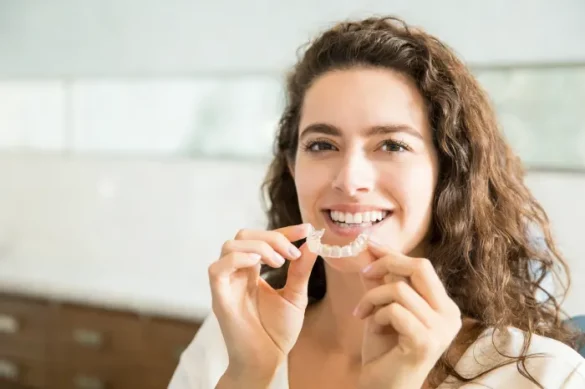
clear aligners, such as Invisalign, are custom-made transparent trays that gently shift teeth. They are removable, discreet, and often comfortable. Treatment time and effectiveness depend on the level of misalignment. Most aligners must be worn about 22 hours a day, with periodic replacements as teeth move.
Pros:
- Nearly invisible
- Removable for eating and cleaning
- Suitable for mild to moderate cases
Cons:
- Not effective for severe misalignment or bite problems
- Requires discipline to wear consistently
retainers
retainers are usually prescribed after orthodontic treatment, but some types can make minor corrections without prior braces. They are best for slight realignment or to prevent further shifting. Removable and less visible, retainers should only be used under professional supervision.
dental veneers
Veneers are thin porcelain or composite shells bonded to the front of teeth. They can mask imperfections, close minor gaps, and give teeth a more uniform appearance. Veneers do not actually move teeth but provide an instantly straighter look.
Pros:
- Quick cosmetic results
- Stain-resistant
- Useful for chipped or discolored teeth
Cons:
- Irreversible—removal of some enamel is necessary
- Need replacement every 5-10 years
- Higher cost
dental bonding
With dental bonding, a tooth-colored resin is applied to reshape or fill gaps, creating the appearance of straight teeth. This non-invasive, affordable option may last up to 10 years with proper care. dental bonding is ideal for minor correction of chips, cracks, or uneven edges.
dental crowns
Crowns are custom caps that cover the entire tooth. Dentists may use them for severely damaged teeth or to improve alignment and aesthetic consistency, particularly when other treatments are not suitable.
palatal expanders
Though mostly used in children, palatal expanders can address crossbites or crowding by widening the upper jaw. They are not typically recommended for adults but highlight the importance of early intervention.
Cosmetic Techniques for Appearance Enhancement
If you need an immediate boost in smile appearance before starting any treatment, consider these approaches:
teeth whitening
Whitening strips, gels, or professional whitening enhance your smile by making teeth look cleaner and more uniform. This does not straighten teeth but can improve confidence and overall aesthetics.
Smile and Lip Posture
Minor changes in how you smile or position your lips can alter the visible alignment of your teeth. While this does not move teeth, adopting a confident, wide smile can boost self-esteem.
facial and jaw exercises
Some people promote facial yoga or jaw exercises to improve facial symmetry. However, scientific evidence for their effect on actual tooth position is weak. These exercises may relax muscle tension but will not correct misalignment.
The Limitations of Non-Braces Options
While braces are often necessary for moderate to severe alignment issues, alternative methods provide viable solutions for many. Each option has unique benefits and limitations. clear aligners and retainers work for mild to moderate corrections, while cosmetic techniques mask imperfections. Your dentist or orthodontist should always supervise treatment plans.
The Importance of professional guidance
Orthodontic treatments should never be done without professional oversight. Dentists assess oral health history, degree of misalignment, and individual goals to recommend the safest and most effective method. Avoid DIY kits or viral social media trends that promise quick results, as these can cause permanent damage.
Conclusion
Achieving a straighter smile without braces is possible thanks to advances in orthodontic and cosmetic dentistry. Options like clear aligners, retainers, veneers, bonding, and crowns provide effective and individualized solutions. While at-home kits and unproven hacks can be tempting, professional guidance ensures safe, lasting improvements. Consult your dental care provider to determine the best plan for your needs and remember that true dental health combines alignment, appearance, and overall oral hygiene.
Frequently Asked Questions (FAQs)
Can teeth be straightened without braces?
Yes, several professional options such as clear aligners, veneers, and bonding can improve tooth alignment or appearance. Effectiveness depends on your dental needs.
How long does it take to straighten teeth without braces?
Treatment duration varies. clear aligners may require several months. Veneers and bonding offer immediate results but do not change tooth position.
Are DIY methods safe for teeth straightening?
No. Unsupervised at-home methods may damage teeth and gums. Always seek professional advice.
Who is a candidate for non-braces teeth straightening?
Individuals with mild to moderate misalignment or minor cosmetic concerns are often good candidates. Severe issues may need traditional orthodontic care.
What is the most discreet way to straighten teeth?
clear aligners like Invisalign and dental veneers are nearly invisible and offer subtle solutions for those who wish to avoid braces.