Blog

DMD vs. DDS: What’s The Difference?

What’s the Difference Between a DMD and DDS? To become a licensed dentist, aspiring dentists must obtain one of two degrees: a Doctor of Dental Medicine (DMD) or a Doctor of Dental Surgery (DDS). DMD and DDS degrees are awarded to dentists who have completed an accredited dental school program, typically lasting 3 to 4 years. Although the degrees have different names, they cover the same topics, including anatomy, physiology,

How Does Pregnancy Affect Your Oral Health?

Pregnancy comes with a whirlwind of changes, and it might surprise you that these changes can impact your teeth and gums. Gingivitis is a very common dental issue pregnant women encounter. Here’s what you should know about pregnancy gingivitis and other dental issues during pregnancy. What Is Pregnancy Gingivitis? Pregnancy gingivitis is the most common oral health issue during pregnancy. It affects 60 to 75% of pregnant women and usually

How to Tell When Your Wisdom Teeth Are Coming In

Wisdom teeth can bring a mix of curiosity and concern, especially when you’re not sure whether the pressure or soreness you’re feeling is normal. These back molars usually show up in your late teens or early twenties, and some people barely notice them. Others, though, feel tenderness, gum swelling, or jaw stiffness as the teeth move or get stuck under the gum. A few early clues can help you figure

Veneers Process: What to Expect When Getting Dental Veneers

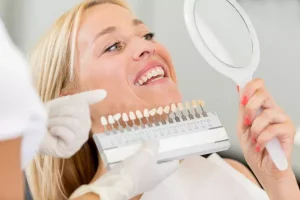
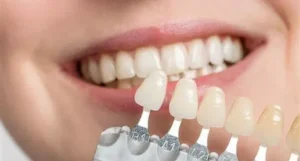
What are Veneers? Veneers are a cosmetic dental treatment that creates a beautiful, natural-looking smile. They can fix imperfections like tooth discoloration, gaps and spacing, chips, and worn-down teeth. Veneers are thin shells of porcelain, ceramic, or composite that cover the anterior face of teeth. They can adjust the shape and shade of a natural tooth to improve its appearance. What is the Veneers Process Like? The procedure for installing

Do Teeth-Whitening Strips Actually Work?

You’ve probably seen the ads: whitening strips promise to quickly brighten your smile just in time for that upcoming event or photo opportunity. But do these at-home teeth whitening treatments really work—and are they safe for your tooth enamel? Here’s what research says about their effectiveness, safety, and how to use them wisely compared to professional teeth whitening. How Do Whitening Strips Work? Whitening strips are thin polyethylene strips coated

What are the Symptoms of Teething?

Some babies are born with one tooth visible, while the rest are still developing under the gums. The lower front tooth is usually the first to erupt at around 5 to 10 months. When this starts happening, a process called teething begins. Teething is a natural process but it can cause babies discomfort. This usually lasts 2 to 3 days. But don’t worry, there are plenty of safe and effective

What Causes Lisping?

A lisp is a speech disorder that affects how someone pronounces certain sounds. Lisps commonly develop during childhood. Nearly 1 in 12 children between the ages of 3 and 17 had a disorder related to voice, speech, or swallowing in 2012.1 Speech disorders, including lisps, are most prevalent in children between the ages of 3 and 6, at 11%.2 Many children grow out of their lisps, though some may persist

What Is Fluoride & Is It Safe?

The use of fluoride in drinking water and toothpaste is a controversial topic. Both proponents and opponents of fluoride have scientific evidence to support their positions. As with most controversial issues, the truth is somewhere in the middle. There are both tangible benefits and notable risks to fluoride use. The right amount can strengthen teeth and prevent tooth decay, but higher doses can be harmful. Why are Most Dentists Pro-Fluoride?

How to Clean Invisalign Retainers

Clear retainers work best when they stay clean, smooth, and well-fitting. Because they sit snugly against your teeth, they can quickly pick up a thin film of saliva, bacteria, and food particles. Without a simple cleaning routine, that film can harden, cause odors, or make the plastic look cloudy. The safe steps below protect both your retainer and your oral health. Why You Should Clean Invisalign Retainers A clean retainer

What to Do if Your Temporary Crowns Look Bad

A temporary dental crown is a cap placed over your tooth while you wait for a permanent crown. Conventional dental crowns take a few weeks to manufacture in a lab. Your dentist will install a temporary version to protect your tooth during that time. Because you only wear them briefly, temporary crowns aren’t as high-quality as their permanent counterparts. They may not look like a natural part of your smile.

How to Clean Your Tongue and Prevent Bad Breath

Key Takeaways Like the rest of your mouth, the tongue requires cleaning to stay healthy The best way to clean your tongue is by using a tongue scraper You can also brush your tongue, rinse, and use antibacterial mouthwash Cleaning your tongue can help prevent bad breath and other oral health issues Talk to a dentist if your tongue has uneven patches, discoloration, or pain 3 Ways to Clean Your

Supplemental Dental Insurance Plans

What is Supplemental Dental Insurance? Supplemental dental insurance is a plan that fills any gaps in your existing dental insurance coverage. You may need a supplemental dental insurance plan if your: Employer doesn’t offer dental insurance Current dental insurance plan doesn’t cover everything you need Technically, all dental insurance plans are supplemental. Medical insurance policies typically don’t include dental care, so you or your employer must purchase a separate one.

WhatsApp